The Accidental Masters: Seven American Musicians Who Found Their Voice on the Wrong Instrument
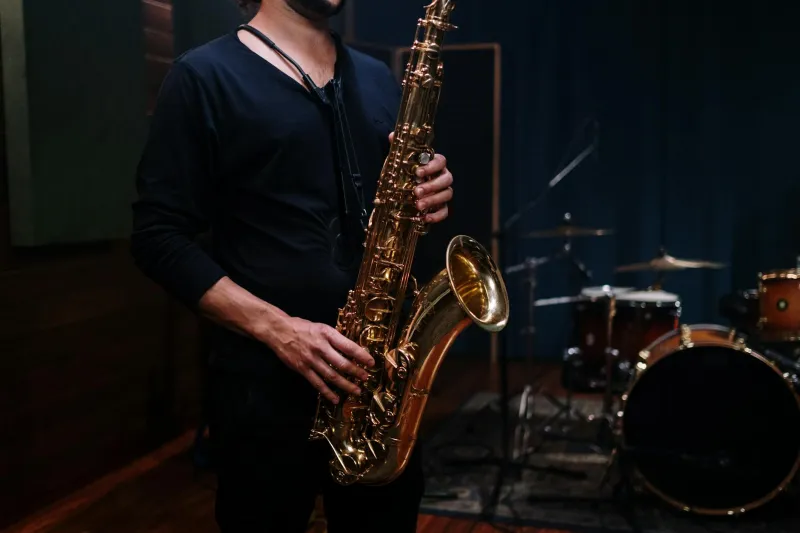
When Wrong Becomes Right
In music, as in life, the most interesting stories often begin with someone being told they can't do something. Or being handed the wrong thing at the right moment. Or stubbornly refusing to play by the rules everyone else follows. These seven American musicians prove that sometimes the instrument you were never meant to play is exactly the one that defines you.
1. Wes Montgomery: The Thumb That Changed Guitar Forever
Wes Montgomery never intended to become a jazz guitar legend. Growing up in Indianapolis, he was fascinated by Charlie Christian's electric guitar work, but when he finally got his hands on a guitar at age 20, he couldn't afford proper lessons. Instead, he taught himself by playing along to Christian's records.
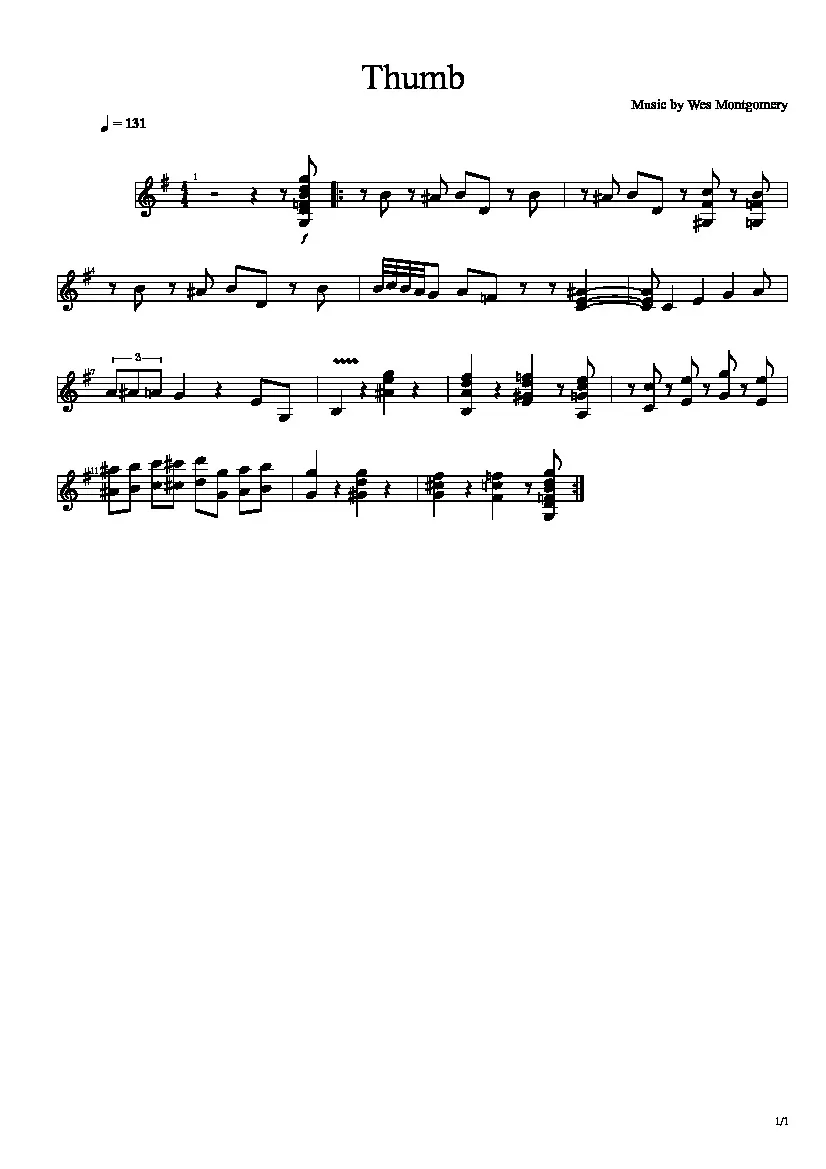 Photo: Wes Montgomery, via www.cglib.org
Here's where it gets interesting: Montgomery's neighbors complained about his practicing, so he developed a technique of plucking strings with his thumb instead of a pick to keep the volume down. That "wrong" technique became his signature sound — a warm, muted tone that no pick could replicate. By the 1960s, Montgomery was revolutionizing jazz guitar with the very method he'd developed to avoid disturbing the neighbors.
2. Rahsaan Roland Kirk: The Man Who Played Three Saxophones at Once
Blind from age two, Roland Kirk was handed a tenor saxophone at a school for the blind when he was 12. But Kirk had a problem with conventional thinking. He dreamed of playing multiple instruments simultaneously and spent years modifying saxophones and inventing new instruments to achieve sounds nobody else could make.
His breakthrough came when he discovered he could play three saxophones at once — tenor, manzello, and stritch — creating harmonies with himself that defied musical logic. Critics called it a gimmick until they heard him play. Kirk proved that sometimes the "wrong" way to approach an instrument opens doors the right way never could.
3. Sister Rosetta Tharpe: The Gospel Singer Who Invented Rock Guitar
In the 1930s, electric guitars were for jazz musicians and country players. Gospel music was acoustic, pure, traditional. Nobody told Sister Rosetta Tharpe. Growing up singing in Arkansas churches, Tharpe fell in love with the electric guitar's power and brought it into gospel music, scandalizing the religious community.
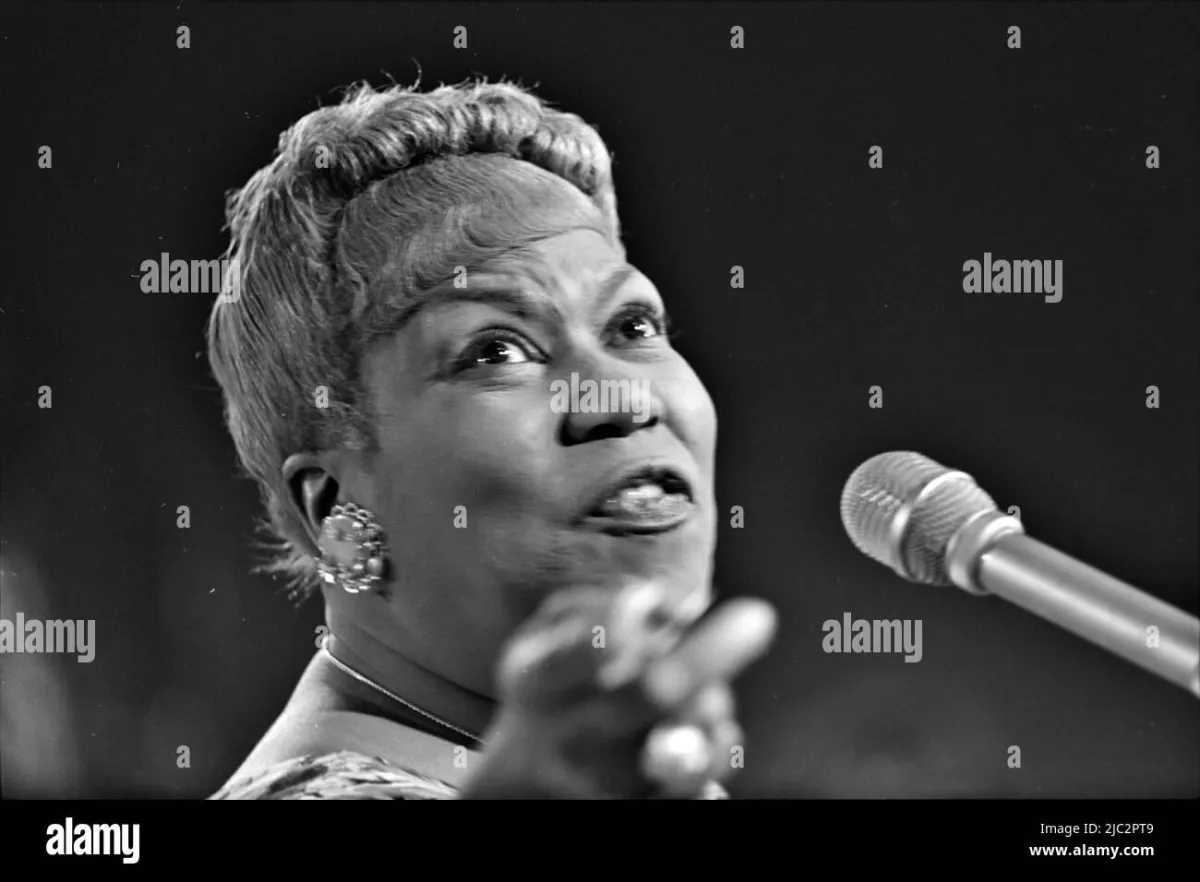 Photo: Sister Rosetta Tharpe, via c8.alamy.com
What they didn't realize was that Tharpe was inventing rock and roll. Her aggressive electric guitar style, combined with gospel vocals, created a sound that wouldn't have an official name for another two decades. Chuck Berry, Elvis Presley, and countless others would follow the path she carved with an instrument the gospel world said didn't belong.
4. Art Tatum: The Pianist Who Played Like an Orchestra
Art Tatum was nearly blind from birth, and piano teachers consistently told him his approach was wrong. He used fingerings that violated classical technique, played runs that were supposedly impossible, and created harmonies that broke traditional rules. Tatum ignored every criticism and kept developing his own approach.
The result was a pianist who could play with the speed and complexity of multiple musicians simultaneously. Classical virtuosos studied his recordings to understand how he achieved the impossible. Tatum had taken the "wrong" approach to piano and created a style so advanced that other musicians are still trying to catch up.
5. Moondog: The Viking Who Brought Classical to the Streets
Louis Hardin lost his sight in a farm accident at 16 and later reinvented himself as Moondog, a street performer who dressed like a Viking and played instruments he'd invented himself. Standing on New York street corners in the 1940s and 50s, Moondog created minimalist compositions using triangles, drums, and homemade instruments.
Classical musicians initially dismissed him as a novelty act. Then they started listening to his compositions — complex, mathematical pieces that influenced minimalist composers like Steve Reich and Philip Glass. Moondog had taken classical music out of concert halls and onto street corners, using "primitive" instruments to create some of the most sophisticated music of his era.
6. Les Paul: The Guitarist Who Rewired Music
Les Paul wanted to be a jazz guitarist, but he had a problem: acoustic guitars weren't loud enough to compete with brass sections. So Paul did something nobody else had tried — he attached a phonograph needle to his guitar to amplify it electrically. It sounded terrible, but it gave him an idea.
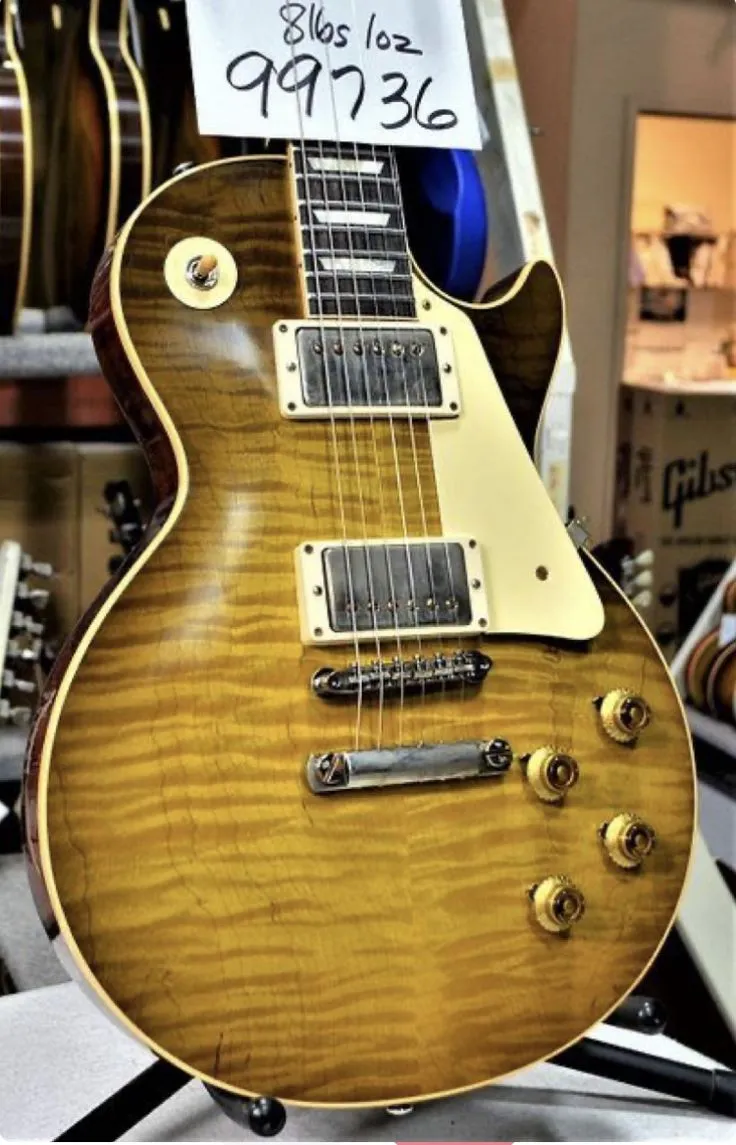 Photo: Les Paul, via i.pinimg.com
Paul spent years experimenting with solid-body electric guitars and multi-track recording, techniques that other musicians said would ruin music. Instead, Paul created the tools that made modern popular music possible. The "wrong" approach to making guitars louder became the foundation for rock, pop, and countless other genres.
7. Harry Partch: The Composer Who Rejected the Piano
Harry Partch grew up studying traditional Western music but became convinced that the piano's 12-tone system was limiting musical expression. So he did something radical: he rejected conventional instruments entirely and spent decades building his own.
Using a 43-tone scale and instruments with names like "Spoils of War" and "Cloud-Chamber Bowls," Partch created music that sounded like nothing else. Critics called it unplayable, unlistenable, and impossible. But Partch's rejection of traditional instruments led to compositions that influenced experimental music for generations.
The Sound of Stubbornness
What connects these seven musicians isn't just their willingness to break rules — it's their understanding that limitations often lead to innovation. When you can't play an instrument the "right" way, you're forced to find new possibilities hidden within it.
Each of these artists discovered that the instrument they were supposedly using wrong was actually the one they were meant to play. Their "mistakes" became their signatures, their limitations became their strengths, and their stubborn refusal to follow conventional wisdom became the foundation for sounds that changed American music forever.
Sometimes the wrong instrument is exactly the right choice.