The View from Nowhere
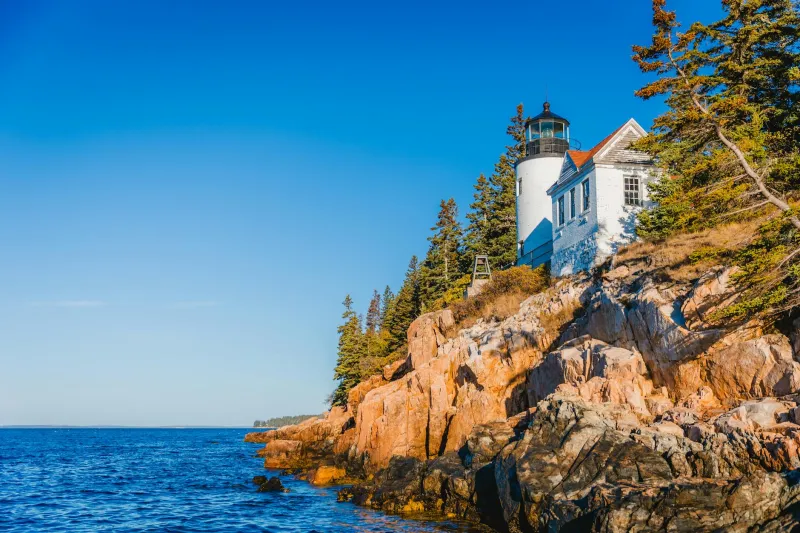
Every night for three decades, Ezra Blackwood climbed the spiral stairs of Pemaquid Point Light, carrying the same weathered leather notebook he'd started filling in 1887. While ships passed in the darkness below, Blackwood wasn't just tending the beacon—he was solving a puzzle that had stumped the U.S. Coast Survey for generations.
 Photo: Ezra Blackwood, via lookaside.instagram.com
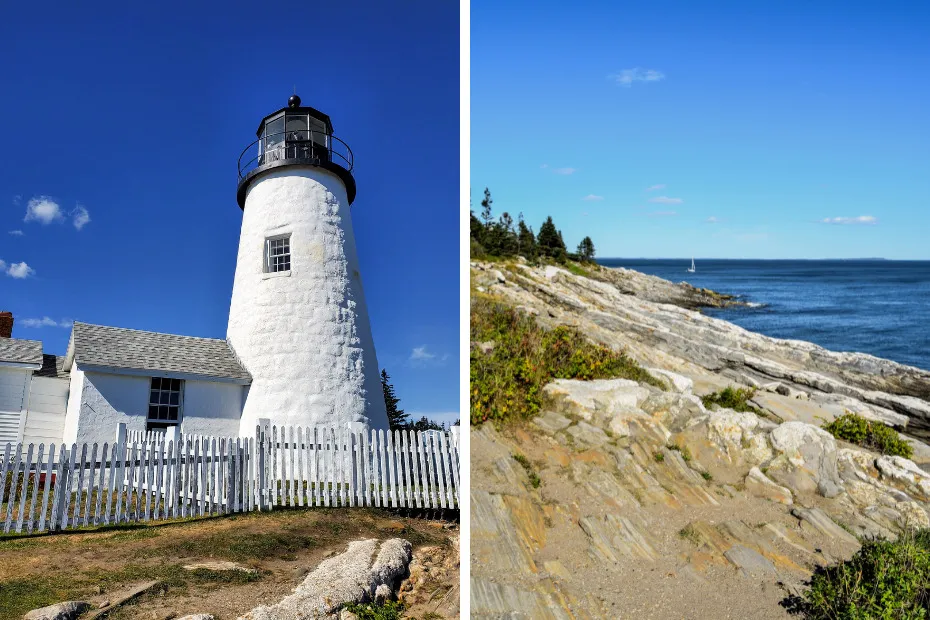 Photo: Pemaquid Point Light, via stephpurk.com
The Atlantic seaboard was supposedly mapped. Charts existed, stamped with official seals and distributed to every harbor from Bar Harbor to Key West. But Blackwood knew something the cartographers didn't: the maps were wrong. Dangerously wrong.
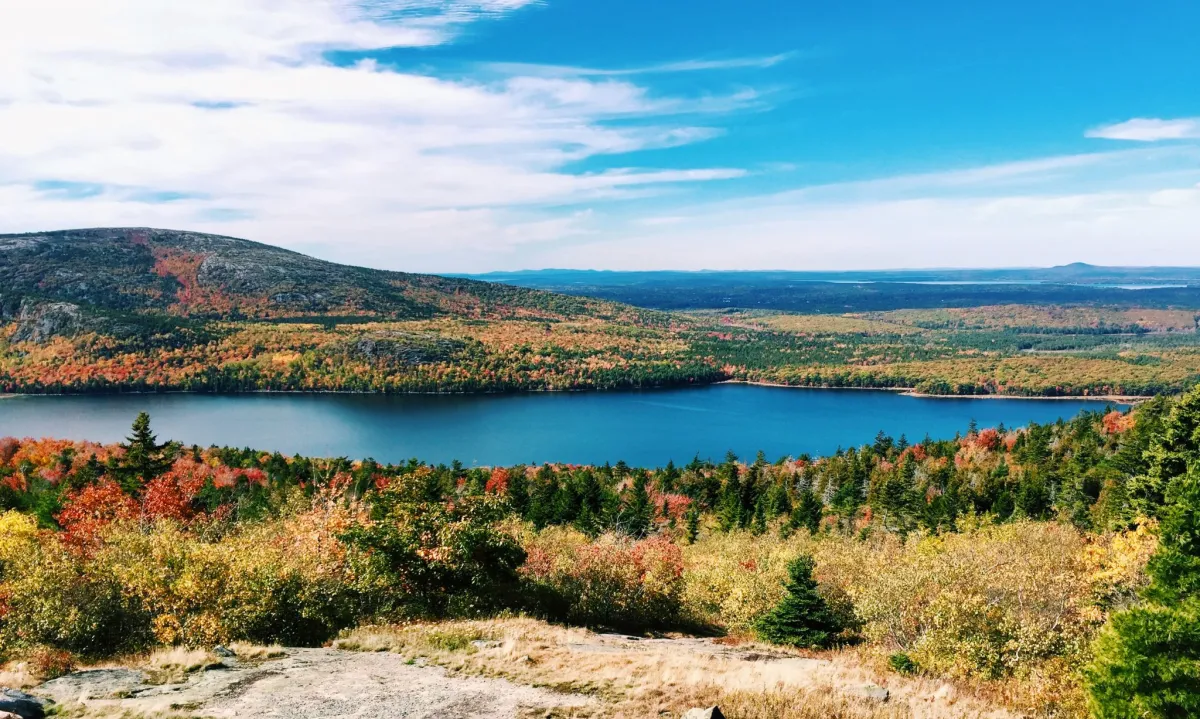 Photo: Bar Harbor, via saltcottagesbarharbor.com
The Problem with Official Knowledge
In the late 1800s, maritime charts relied on depth soundings taken by survey ships during brief summer expeditions. These vessels, working under pressure to cover vast areas, often missed the seasonal variations that changed underwater landscapes. Storm surges shifted sandbars. Winter ice carved new channels. Spring runoff revealed rocks that summer surveys never detected.
Blackwood saw the consequences firsthand. From his lighthouse perch, he watched vessels follow official routes straight into disasters the charts said couldn't happen. Ships ran aground on reefs that weren't supposed to exist. Captains found deep water where charts promised shallow harbors.
The lighthouse keeper began taking notes.
Thirty Years of Tuesday Nights
What started as casual observations became an obsession. Blackwood developed a system for tracking tidal patterns, noting how different weather conditions revealed or concealed underwater hazards. He recorded the exact positions where ships struggled, cross-referencing their difficulties with official chart markings.
Using a simple compass and his knowledge of local landmarks, Blackwood began creating corrections to the government surveys. He couldn't afford surveying equipment, but he had something the professional expeditions lacked: time and consistency. Night after night, season after season, he watched the same waters under every possible condition.
His breakthrough came during the harsh winter of 1903. Ice formations revealed the true contours of underwater ledges that summer surveys had completely missed. Blackwood spent weeks documenting these features, creating detailed sketches that showed exactly where official charts placed deep water over actual rock formations.
The Notebooks That Rewrote Navigation
By 1915, Blackwood had filled seventeen notebooks with corrections, amendments, and entirely new features missing from official charts. His documentation covered nearly 200 miles of coastline, identifying 847 specific navigational hazards that government surveys had overlooked or misplaced.
The turning point came when Captain Morrison Hayes, whose cargo vessel had run aground despite following official charts, visited Blackwood's lighthouse. Hayes examined the keeper's notebooks and realized he was looking at the most accurate coastal documentation he'd ever seen.
Hayes began sharing Blackwood's corrections with other captains. Word spread through the maritime community about the lighthouse keeper whose amateur charts were more reliable than government surveys. Ship owners started requesting copies of Blackwood's notes before planning routes along the Maine coast.
Recognition from an Unexpected Source
The U.S. Coast Survey initially dismissed reports about a lighthouse keeper's superior charts. But as shipping companies increasingly relied on Blackwood's corrections, and as accident rates dropped dramatically in areas where his amendments were followed, official attitudes began changing.
In 1918, Lieutenant Commander James Patterson of the Coast Survey visited Pemaquid Point to investigate. Patterson expected to find an amateur enthusiast with good intentions but limited accuracy. Instead, he discovered documentation that surpassed professional standards.
Patterson's report to Washington was unambiguous: Blackwood's observations were not only accurate but revealed systematic errors in official surveys. The Coast Survey began incorporating the lighthouse keeper's corrections into updated charts.
The Invisible Legacy
Blackwood never received formal recognition for his contributions. His name appeared in no official publications, and most mariners who benefited from his work never knew his corrections existed. The updated charts simply reflected "revised surveys" without mentioning their actual source.
But the impact was undeniable. Shipping records show that accident rates along Blackwood's documented coastline dropped by 73% between 1918 and 1925, as his corrections became standard navigation references. Insurance companies noted the improvement, though they never learned why their coastal claims had suddenly decreased.
Blackwood continued his observations until 1932, when failing eyesight finally ended his nightly vigils. He died in 1934, leaving behind 31 notebooks that had quietly revolutionized Atlantic coastal navigation.
The Science of Seeing
Blackwood's success came from understanding something professional surveyors had missed: coastal waters aren't static. They change with seasons, weather patterns, and time itself. His three decades of consistent observation revealed patterns that brief official expeditions couldn't detect.
Modern oceanographers recognize Blackwood's methods as pioneering examples of long-term environmental monitoring. His techniques for tracking seasonal variations and documenting gradual changes anticipated scientific approaches that wouldn't become standard until the 1970s.
Today, satellite imagery and computer modeling handle the work Blackwood did with a notebook and compass. But his fundamental insight remains valid: understanding the ocean requires patience, consistency, and the willingness to question official knowledge when reality suggests otherwise.
The lighthouse keeper who couldn't afford a telescope proved that the most valuable observations sometimes come from simply paying attention to what everyone else overlooks.