The Wrong Job, the Right Lesson: Seven Odd Gigs That Secretly Built American Greatness
Most origin stories skip the boring part. The years before the breakthrough — the ones spent doing work that nobody would put in a documentary — tend to get edited out in favor of the cleaner narrative. But those years are often where the real story lives. The instincts, the obsessions, the strange specific knowledge that made someone extraordinary: a surprising amount of it gets forged in jobs that look, from the outside, like detours.
Here are seven Americans whose most important education happened in the last place anyone would have looked.
1. Abraham Lincoln — Store Clerk and Postmaster, New Salem, Illinois
Before Lincoln was a lawyer, a congressman, or the president who held the country together through its worst crisis, he was the postmaster of New Salem, Illinois — a village so small that he reportedly carried the mail in his hat. He also clerked at a general store, extending credit to neighbors who couldn't pay, and spent years in a kind of low-grade financial chaos that included a failed business partnership and debts he spent years repaying.
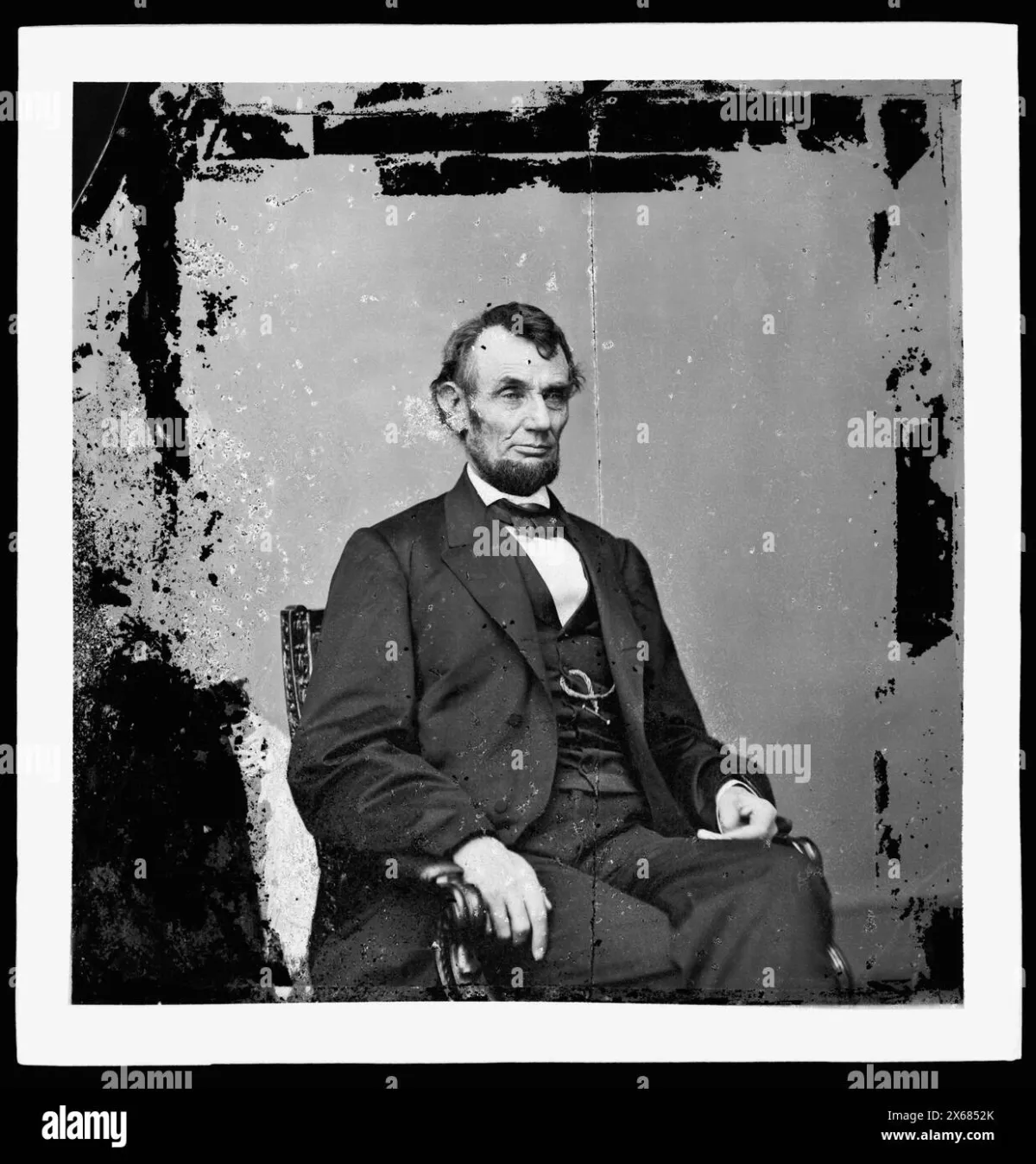 Photo: Abraham Lincoln, via c8.alamy.com
What he got from all of it was irreplaceable. He learned how ordinary people thought about money, fairness, and obligation. He understood the texture of economic anxiety from the inside. When Lincoln later argued cases in frontier courtrooms and eventually navigated the political economy of a nation at war, he was drawing on something deeper than legal training — he was drawing on years of watching real people struggle with real problems in real time. The postmaster's hat turned out to be a pretty good classroom.
2. Julia Child — Government Spy and Fish Gutter, Ceylon and China
Julia Child didn't cook professionally until she was nearly forty. Before she became the woman who taught America that French cuisine was survivable in a home kitchen, she worked for the Office of Strategic Services — the wartime precursor to the CIA — in Ceylon and China. Her jobs ranged from filing and research to, memorably, helping develop a shark repellent to protect underwater explosives from being accidentally detonated by curious sea life.
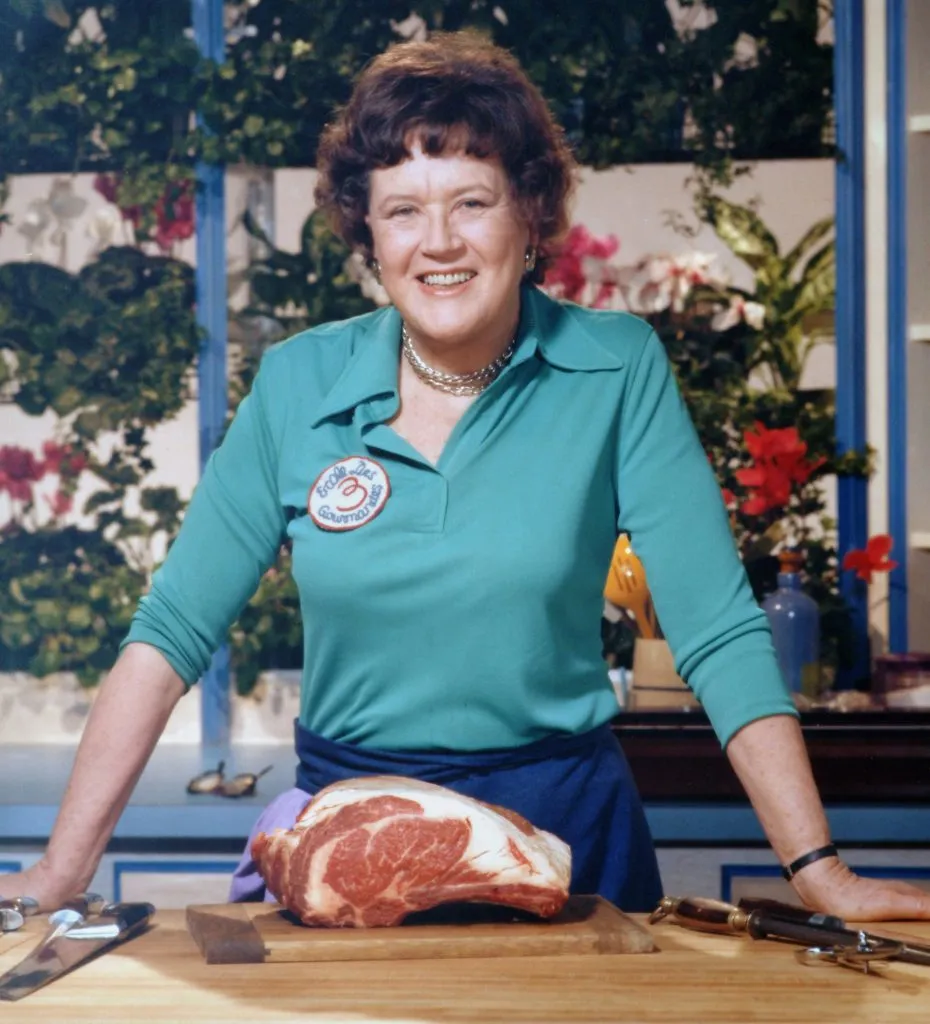 Photo: Julia Child, via chefleticia.com
She also spent time in the kind of unglamorous food prep that culinary school tends to skip: breaking down whole fish, handling raw ingredients in bulk, understanding food not as an aesthetic experience but as a physical, sensory one. Child later said that her time abroad gave her an appetite for the unfamiliar that never left her. When she finally walked into the Cordon Bleu in Paris in 1949, she brought with her a willingness to get her hands dirty — literally — that most of her classmates didn't have. The shark repellent work, it turns out, had prepared her beautifully for the messiness of real cooking.
3. Frank Lloyd Wright — Draftsman's Floor Sweeper, Chicago
Wright arrived in Chicago at eighteen with almost no formal training and talked his way into a job with architect Joseph Lyman Silsbee by overstating his experience considerably. His early duties were less than glamorous: he swept floors, sharpened pencils, and did the low-level drafting work that more senior staff didn't want. He watched. He absorbed. He argued, which got him fired at least once.
 Photo: Frank Lloyd Wright, via likweti.co.za
But the floors he swept were covered in sawdust from the construction of real buildings, and the conversations happening above his head were about the principles that would eventually define American architecture. Wright's years of proximity to working draftsmen and construction sites gave him a physical, material understanding of how buildings came together — not just how they looked on paper. His later obsession with organic architecture, with the relationship between a structure and its environment, was rooted in years of understanding buildings from the ground up. Sometimes literally.
4. Harland Sanders — Ferry Operator, Insurance Salesman, and Tire Salesman (Among Others)
Before Colonel Sanders was a colonel, he was approximately everything else. He worked as a farmhand, a streetcar conductor, a railroad fireman, a ferry boat operator, an insurance salesman, and a tire salesman — often failing at each in ways that would have discouraged most people permanently. He didn't start seriously developing the fried chicken recipe that made him famous until he was in his forties, running a gas station in Corbin, Kentucky, where he cooked for travelers out of a back room.
What all those failed careers gave him was a salesman's education in what people actually want versus what they say they want, and a stubbornness calibrated by repeated disappointment. When Sanders eventually franchised Kentucky Fried Chicken in his sixties — after the interstate highway bypassed his Corbin restaurant and destroyed his business — he drove from town to town, sleeping in his car, pitching restaurateurs on a recipe and a handshake deal. The tire salesman knew how to close. The ferry operator knew how to read people. The insurance man knew how to make someone feel like they needed what he was selling.
5. Madam C.J. Walker — Laundress, St. Louis and Denver
Sarah Breedlove — who would become Madam C.J. Walker, America's first self-made female millionaire — spent the better part of two decades taking in laundry. It was exhausting, low-paid work that left her hands damaged and her body worn. She later described the years of washing other people's clothes as the experience that made her absolutely certain she needed to build something of her own.
But the laundry years gave her more than motivation. They gave her a network. Laundresses in late nineteenth-century America moved through households, communities, and social circles in ways that were largely invisible to the people whose clothes they washed. Walker understood the social architecture of the communities she worked in — who had money, who needed what, who talked to whom. When she began developing and selling her hair care products, she didn't hire a marketing firm. She went door to door through the same networks she'd built over years of domestic work, and she knew exactly how to talk to the women she was selling to because she had been one of them. The laundry route was her market research.
6. Walt Disney — Ambulance Driver and Jelly Roll Deliveryman, Post-WWI
Disney was sixteen when he lied about his age to drive ambulances in France at the tail end of World War One. After the war, back in Kansas City, he took a job delivering jelly rolls for a bakery — and spent his off-hours drawing cartoons on the delivery truck. He was fired from a newspaper job for lacking imagination (a detail that deserves to be carved somewhere), and his first animation company went bankrupt.
The ambulance years gave Disney something unexpected: an exposure to the mechanics of visual storytelling. He covered his ambulance in cartoon drawings, watched how people responded to images in public spaces, and began developing an intuition about what caught the eye and held attention. The jelly roll deliveries gave him something more mundane but equally useful — a rigid schedule that forced him to work on his drawings in stolen moments, training a discipline that would define his working life. The man who built the most elaborate fantasy empire in American history learned to dream in a bakery truck.
7. Oprah Winfrey — Grocery Store Clerk, Nashville
Oprah Winfrey worked as a grocery store clerk as a teenager in Nashville, a job she has described as formative in ways that go beyond the obvious. She was, by her own account, a talker from the beginning — someone who couldn't help engaging with the customers in her line, learning their names, asking about their days, turning a transaction into a conversation.
The grocery store was where Winfrey first discovered something that would define her entire career: people want to be heard. Not just listened to — actually heard, in a way that makes them feel like their story matters. Every future interview, every emotional breakthrough on a television stage, every moment that made audiences feel like Oprah was talking directly to them, had its roots in a checkout line in Tennessee. The most powerful broadcaster in American history learned her craft selling other people's groceries.
The pattern here isn't accidental. The jobs that look like detours are often the ones doing the most essential work — building the empathy, the discipline, the market knowledge, or the hunger that the eventual achievement required. The vault, as it turns out, is sometimes hidden inside the broom closet.