The $45-a-Week Revolution
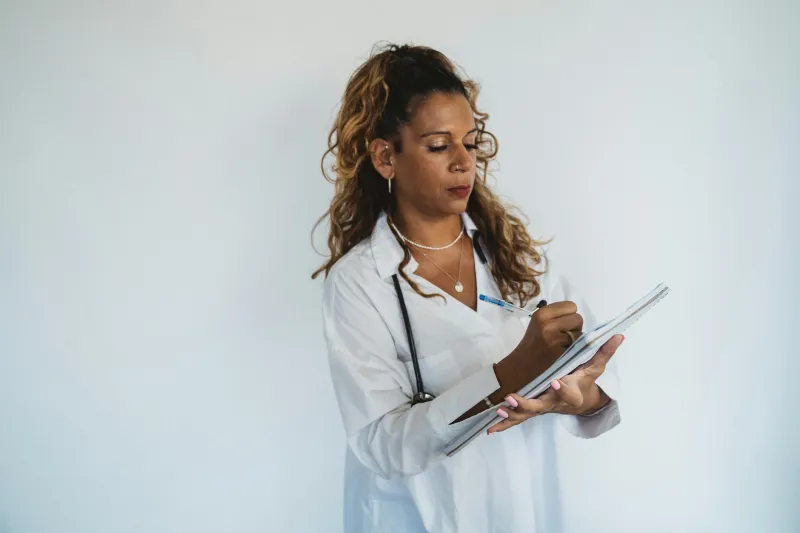
Dorothy Martinez walked into Chicago General Hospital on a Tuesday morning in November 1943, expecting to spend her days answering phones and directing visitors. The job paid $45 a week—decent money for a Mexican-American woman in wartime Chicago—and came with the kind of stability her family desperately needed. What nobody expected, least of all Dorothy herself, was that this soft-spoken receptionist would spend the next three decades quietly revolutionizing how American hospitals operate.
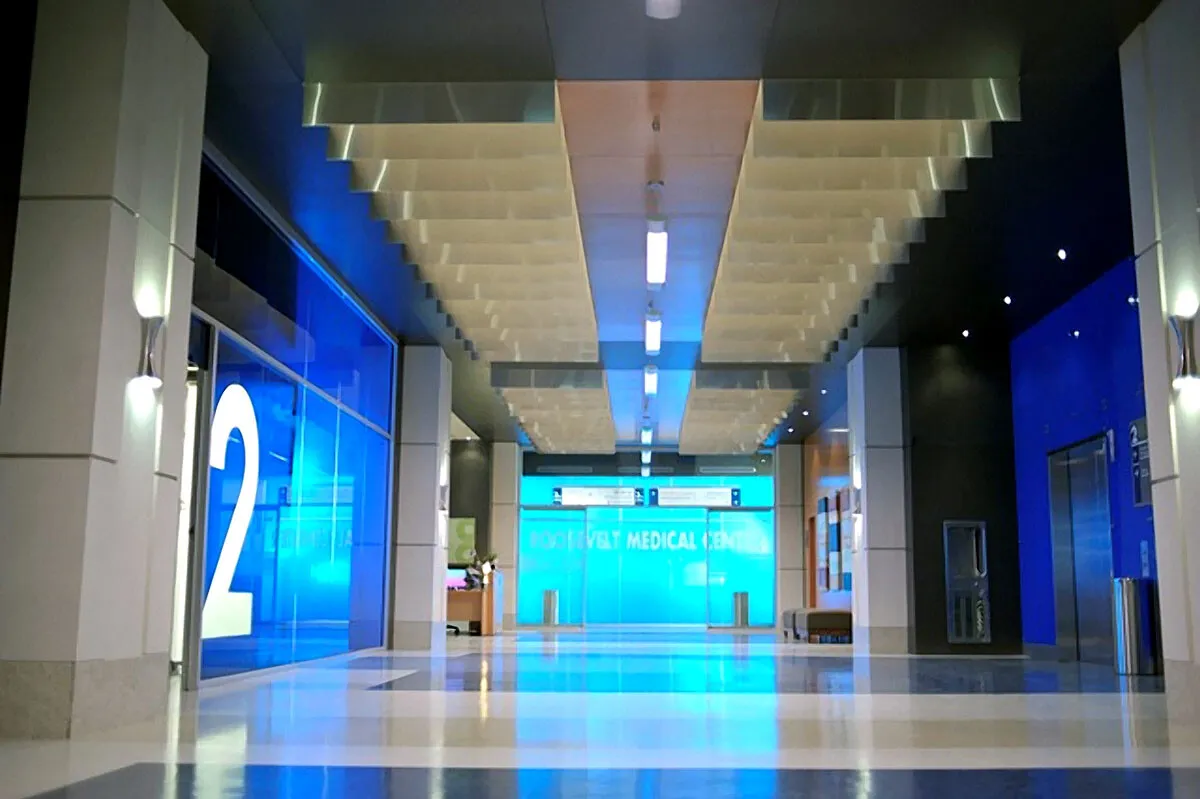 Photo: Chicago General Hospital, via cdna.artstation.com
Chicago General was chaos in 1943. Wounded soldiers mixed with civilian patients, records disappeared regularly, and the simple act of admitting someone could take hours. Doctors couldn't find patient files. Families couldn't locate their relatives. The hospital's administration was drowning in paperwork that seemed to multiply faster than they could process it.
Dorothy noticed the problems immediately. But unlike everyone else who just complained, she started taking notes.
Solutions from the Sidelines
Working the front desk gave Dorothy a unique vantage point. She saw every breakdown in the system: the diabetic patient whose insulin orders got lost, the surgery that was delayed because no one could find the consent forms, the family that spent two days searching for their father because his name was misspelled in three different ways across various departments.
Most people would have shrugged and said it wasn't their job. Dorothy started staying late, redesigning the forms that caused the most confusion. She created a color-coding system for different types of emergencies. She developed a patient tracking method that could follow someone from admission through discharge. All of this on her own time, using supplies she bought with her own money.
When the head nurse, Margaret Sullivan, discovered Dorothy's filing system, she was amazed. "This is more organized than anything we have upstairs," Sullivan later wrote in her diary. "The girl at the front desk has figured out what our administrators couldn't."
The Invisible Architect
By 1950, Dorothy's "suggestions" had become unofficial hospital policy. Her intake forms were being copied by other departments. Her patient tracking system had eliminated the daily hunt for missing records. Her color-coding method had reduced medication errors by 60%. Yet her job title remained "Receptionist," and her salary barely kept pace with inflation.
The irony wasn't lost on Dorothy. Doctors with prestigious degrees would consult her about workflow problems, then return to meetings where her contributions were never acknowledged. Hospital administrators would implement her systems, then present them to medical conferences as institutional innovations. She was reshaping American healthcare from a desk in the lobby, but the medical establishment saw her as furniture.
This invisibility became Dorothy's superpower. While hospital politics swirled around her, she continued refining her systems. She studied how information moved through the hospital, identifying bottlenecks that slowed patient care. She analyzed admission patterns, discovering that certain scheduling changes could reduce wait times by hours. She even redesigned the physical layout of patient files to minimize retrieval time.
The Network Effect
Word of Chicago General's efficiency began spreading through medical circles. Other hospitals sent administrators to study their systems, never realizing they were learning from the receptionist's innovations. When asked about their success, Chicago General's executives would vaguely reference "streamlined processes" and "institutional best practices." Dorothy's name never came up.
But Dorothy's influence was spreading faster than anyone realized. Nurses who trained at Chicago General took her methods to other hospitals. Administrators who visited her hospital implemented her systems elsewhere. By the late 1950s, variations of Dorothy's intake procedures, filing systems, and patient tracking methods were being used in hospitals across the Midwest.
The breakthrough came in 1961, when the American Hospital Association commissioned a study of the most efficient patient management systems in the country. The researchers were stunned to discover that the best practices weren't coming from prestigious medical centers or university hospitals—they were all variations of systems developed by a receptionist in Chicago.
Recognition, Finally
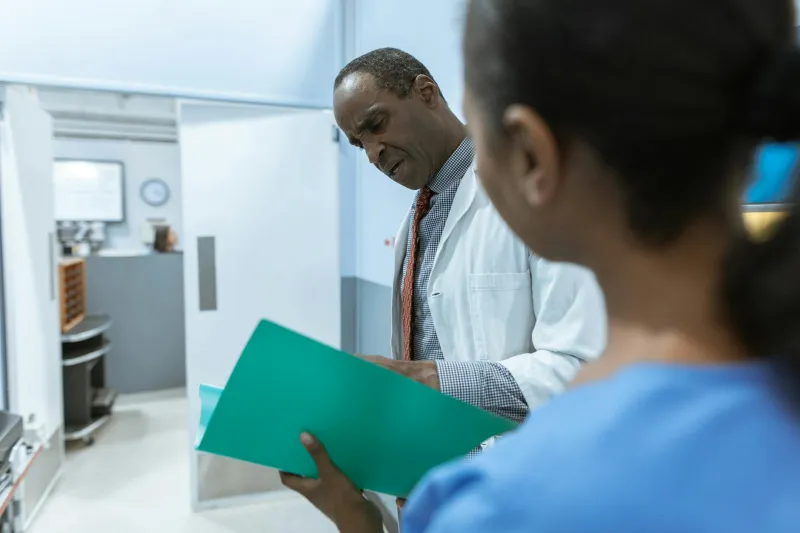
Dr. James Whitmore, who led the AHA study, insisted on meeting the person behind the systems. When he arrived at Chicago General expecting to interview a department head, he was directed to the front desk. "You're telling me that Mrs. Martinez, your receptionist, designed all of this?" he asked the hospital administrator. The administrator, suddenly realizing how the situation looked, could only nod.
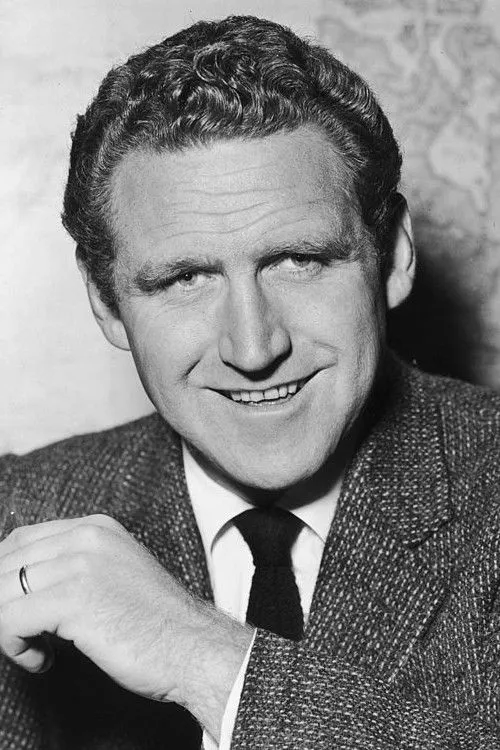 Photo: Dr. James Whitmore, via image.tmdb.org
Whitmore spent three days with Dorothy, documenting her methods and understanding her philosophy. What he found was a comprehensive approach to hospital management that was more sophisticated than anything being taught in business schools. Dorothy had essentially created the field of healthcare operations management—she just hadn't known to call it that.
The Blueprint Goes National
In 1963, the AHA published "The Martinez Method," a comprehensive guide to hospital administration based on Dorothy's systems. The manual became the standard reference for hospital management, used in medical schools and administrative training programs nationwide. Finally, Dorothy's name was attached to her innovations.
The recognition came with offers—consulting contracts, teaching positions, administrative roles at prestigious hospitals. Dorothy turned them all down. She was content at her desk, still answering phones, still watching for ways to make the system work better for patients.
The Lasting Impact
When Dorothy retired in 1974, Chicago General threw her a party that drew hospital administrators from across the country. The woman who had spent thirty-one years being overlooked was finally celebrated as the architect of modern hospital operations. Her systems had spread to thousands of hospitals, touching millions of patients' lives.
Today, every major American hospital uses some version of Dorothy's innovations. Electronic health records follow principles she established with paper files. Patient tracking systems use logic she developed at her front desk. The efficiency that Americans take for granted in modern healthcare can be traced back to a receptionist who refused to accept that chaos was just how hospitals worked.
Dorothy Martinez proved that transformation doesn't require authority—it requires attention, persistence, and the courage to believe that someone always has to be the first to figure it out.