The Loneliest Job on the Coast
In 1923, Thomas Brennan took the lighthouse keeper's job at Cape Fear because nobody else wanted it. The pay was terrible, the isolation complete, and the stretch of North Carolina coastline had already claimed more ships than any other point along the Eastern Seaboard. What the Maritime Commission didn't mention in the job posting was that their official weather forecasts were wrong about half the time—a coin flip that regularly sent vessels straight into the teeth of storms they never saw coming.
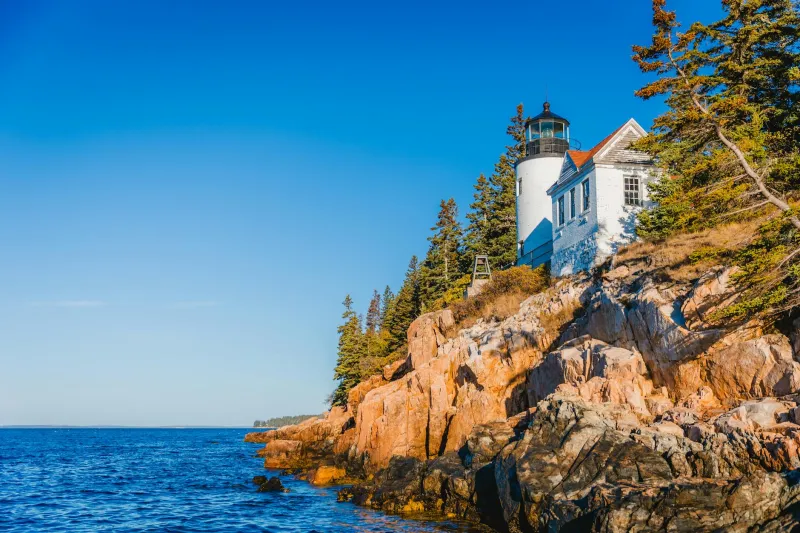
 Photo: Cape Fear, via c071676816.preview.getnetset.com
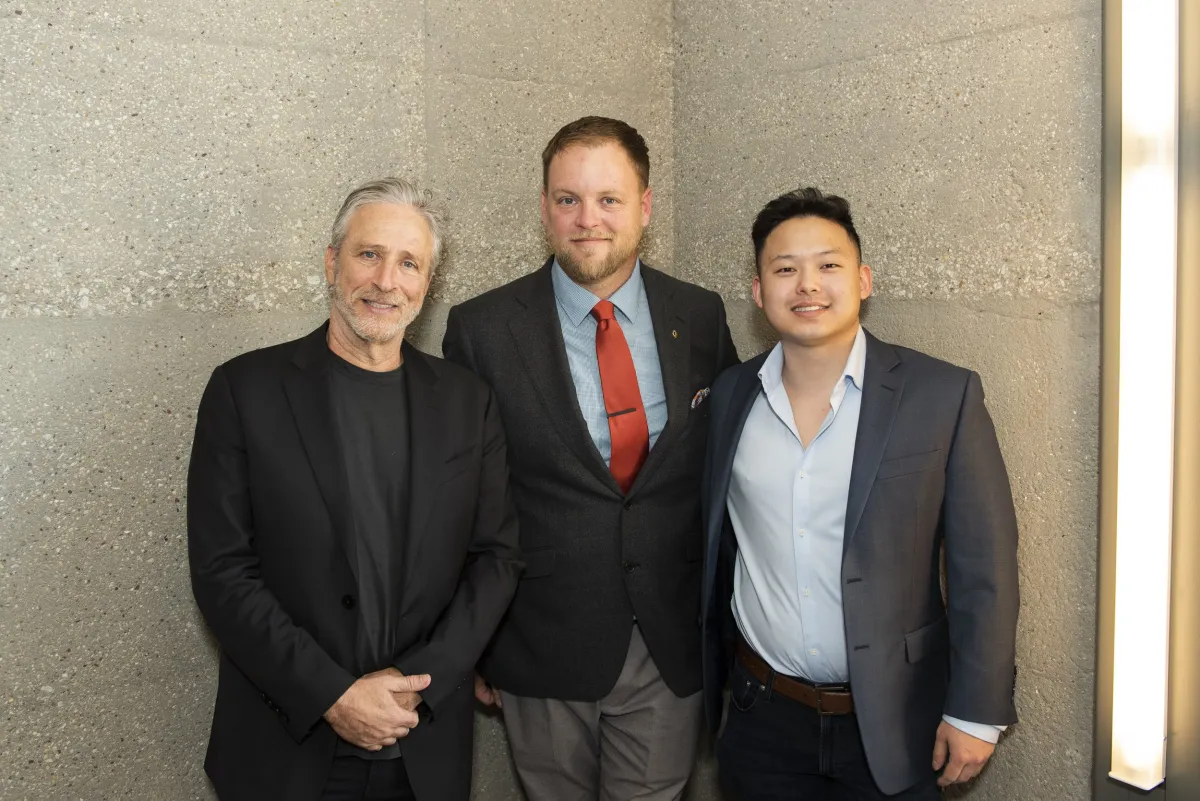 Photo: Thomas Brennan, via images.squarespace-cdn.com
Brennan wasn't a scientist. He'd barely finished eighth grade before going to sea, and his formal education in meteorology consisted of exactly nothing. But after his first month watching ships founder in supposedly calm conditions, he made a decision that would reshape American weather prediction: he was going to figure out the storms himself.
Reading the Sky Like Scripture
What started as simple curiosity became an obsession. Brennan began keeping meticulous logs—not just of wind speed and barometric pressure, but of cloud formations, bird behavior, even the way sea foam looked in different conditions. He noticed patterns the Weather Bureau's instruments missed: how certain cloud shapes preceded specific types of storms, how the ocean's color changed hours before dangerous swells arrived.
His breakthrough came during the hurricane season of 1926. While the official forecast called for mild weather, Brennan's homegrown system screamed danger. He spent three days frantically signaling ships to stay away from his section of coast. When the storm hit—a Category 3 hurricane that caught the Weather Bureau completely off guard—not a single vessel was lost in Brennan's waters. Thirty miles north, where ships had followed official guidance, fourteen sailors died.
The Establishment Fights Back
You'd think the Weather Bureau would have been grateful. Instead, they were furious. Here was a dropout lighthouse keeper making them look like amateurs, and his success was getting noticed. Shipping companies started requesting Brennan's personal forecasts. Insurance companies began factoring his predictions into their calculations. The man with no credentials was becoming more trusted than the institution with all of them.
The Bureau's response was predictable: they tried to shut him down. Official complaints were filed. Brennan was ordered to stop issuing unauthorized weather information. When he ignored the orders, they threatened his job. But by then, something remarkable had happened—Brennan's reputation had spread beyond the coast. Farmers were using his long-range forecasts. Fishing fleets planned their seasons around his predictions. The man they couldn't silence had become indispensable.
The Notebooks That Changed Everything
For fifteen years, Brennan refined his system. His lighthouse became an unofficial weather station, and his handwritten logs grew into a comprehensive record of coastal weather patterns. By 1938, his predictions were accurate enough that maritime insurers offered lower rates to ships that followed his guidance instead of official forecasts.
The turning point came when Dr. Margaret Chen, a newly hired meteorologist at the Weather Bureau, requested access to Brennan's records. What she found astounded her: twenty years of detailed observations that revealed weather patterns no university had documented. Brennan had essentially reverse-engineered meteorology, developing his own classification system for storm types and discovering relationships between atmospheric conditions that wouldn't be officially recognized for another decade.
When the Student Becomes the Teacher
In 1941, the Weather Bureau did something unprecedented: they invited Brennan to Washington to train their forecasters. The man they'd tried to silence was now teaching their methods to people with advanced degrees. His techniques were integrated into the national weather service, and his storm classification system became part of official training protocols.
Brennan never left his lighthouse, but his influence spread across American meteorology. When the Weather Service transitioned to more sophisticated forecasting methods in the 1950s, many of the foundational principles came from a keeper's notebook filled with observations made during long, solitary nights watching the sky.
The Legacy in the Light
Thomas Brennan died in 1962, still at his post, still keeping his logs. By then, his amateur weather station had been formally incorporated into the National Weather Service network, and his forecasting methods were being taught at universities across the country. The stretch of coast that had once been America's deadliest had become one of its safest, protected by a system developed by a man who learned to read storms the way others read books.
The Cape Fear Lighthouse was automated in 1967, but Brennan's legacy lived on in every accurate forecast, every ship that safely reached port, every life saved by someone who understood that expertise doesn't always come with credentials. Sometimes it comes from paying attention when everyone else looks away.
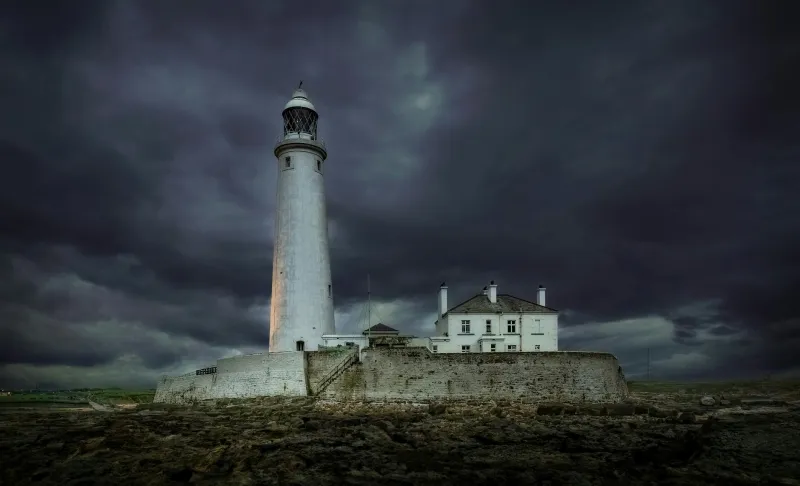
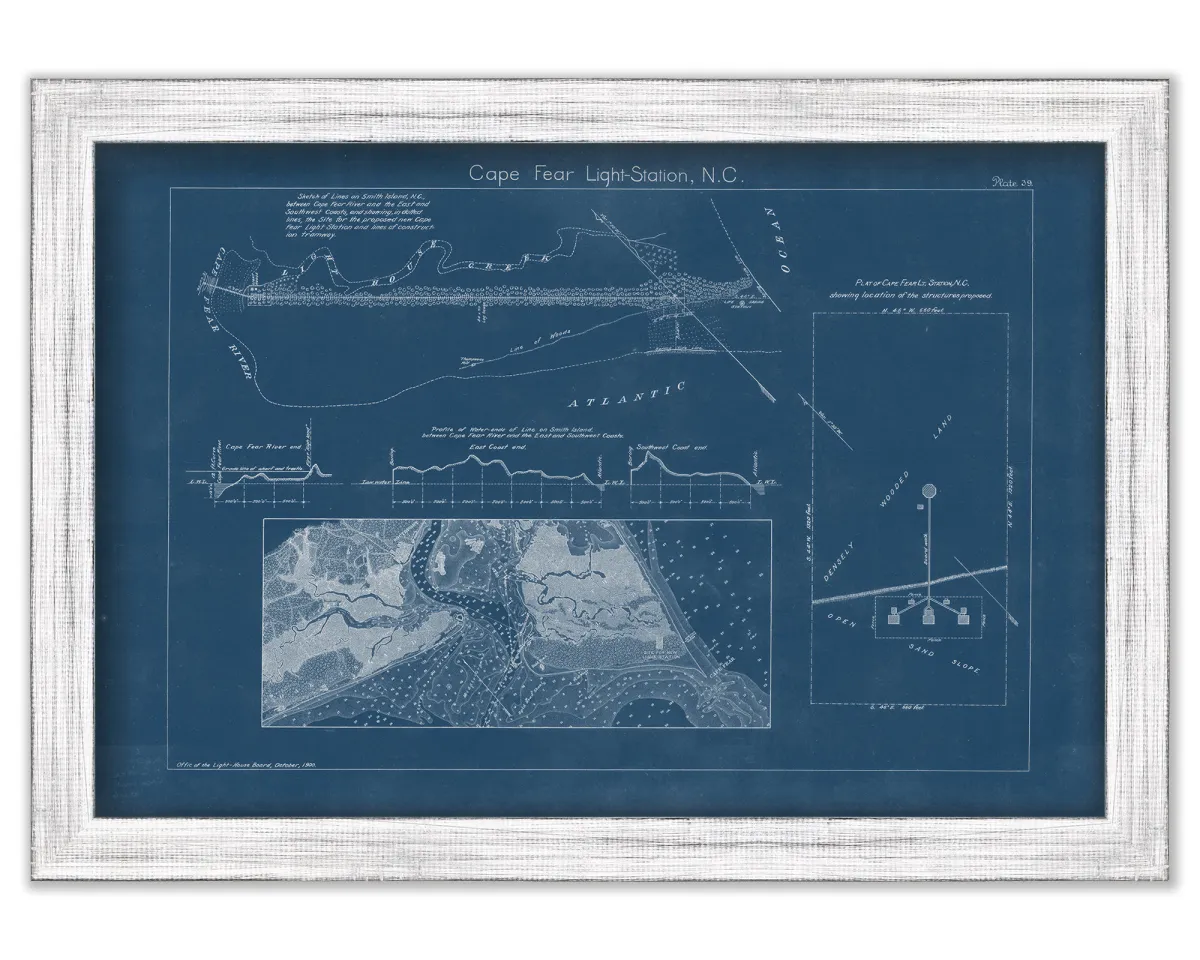 Photo: Cape Fear Lighthouse, via i.etsystatic.com