The View from the Garbage Truck
Roberto Martinez spent his mornings watching America throw things away. As a sanitation worker for the City of Phoenix from 1973 to 2003, he knew every pothole, every broken bench, every patch of dying grass in the city's 180 parks. What he saw during those early morning routes would eventually transform how landscape architects across the country design public spaces.
 Photo: Roberto Martinez, via global.ariseplay.com
 Photo: City of Phoenix, via img.freepik.com
But in 1973, Martinez was just trying to pay rent. The son of migrant workers, he'd dropped out of high school to support his family and landed a job with the city's waste management department. The work was steady, the benefits were decent, and nobody asked about his education.
Sketches on Lunch Break
Somewhere around his fifth year on the job, Martinez started carrying a notebook. During lunch breaks, while his coworkers played cards or napped in the truck, he'd walk through whatever park they happened to be cleaning that day. He'd sketch ideas—better placement for trash cans, natural windbreaks that would keep litter from scattering, pathways that followed how people actually walked instead of how planners thought they should walk.
"I saw things the architects missed," Martinez later told a reporter. "They designed parks from blueprints. I watched how people used them every single day."
His notebooks filled with observations that formal landscape architecture programs don't teach. He noticed that mothers with strollers always took the path with the gentlest grade, even if it meant walking twice as far. He saw that teenagers gathered in spots that were visible enough to feel safe but hidden enough to feel private. He watched elderly visitors choose benches based on morning sun patterns that shifted with the seasons.
The Breakthrough Nobody Noticed
In 1987, Phoenix was planning a major renovation of Steele Indian School Park, a 75-acre space that had become a magnet for crime and neglect. The city hired a prestigious firm from Los Angeles, spent six months on community input sessions, and produced a $2.3 million redesign that looked impressive in presentations.
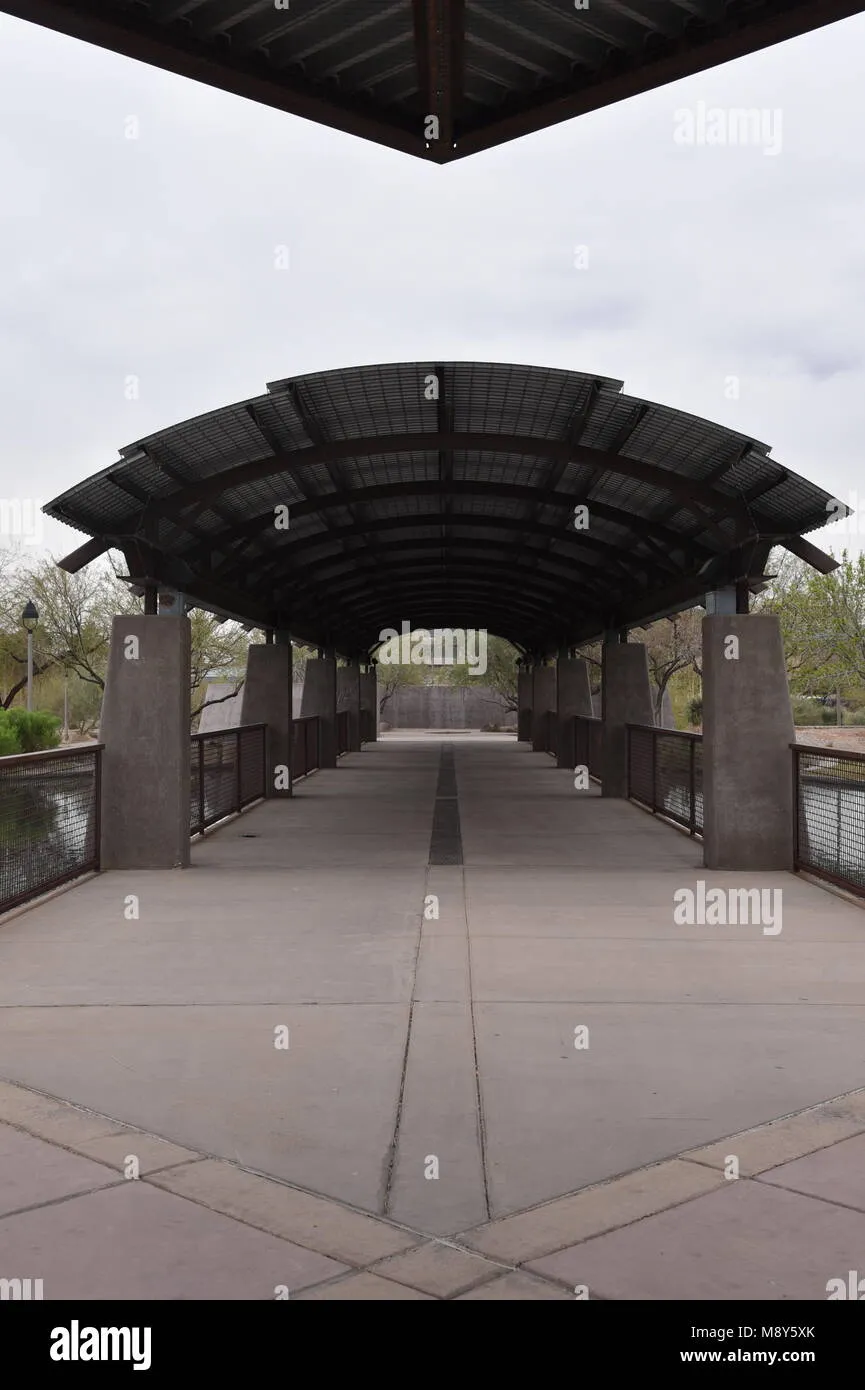 Photo: Steele Indian School Park, via c8.alamy.com
Martinez had been collecting trash at Steele Park twice a week for fourteen years. He'd watched drug deals happen in the spots the new design called "quiet contemplation areas." He'd seen joggers create their own paths that completely bypassed the planned running trail. He'd noticed that the proposed playground would be built in the only spot that got afternoon shade—which meant it would be empty during Phoenix's brutal summer months when kids most needed outdoor play space.
So he did something unprecedented. He wrote a letter to the city council.
The Letter That Changed Everything
The letter was three pages long, handwritten, and attached to detailed sketches of alternative layouts. Martinez didn't argue with the architects' vision—he simply pointed out practical problems they'd missed. The playground location. The placement of water fountains. The type of trees that would actually survive Arizona summers while providing maximum shade.
Councilwoman Sarah Chen was the only official who took the letter seriously. She visited Steele Park during Martinez's shift, walked the grounds with him, and realized he was right about almost everything. The proposed renovation would have been a expensive disaster.
Chen convinced the city to hire Martinez as a consultant. The architecture firm bristled at taking direction from a garbage collector, but the alternative was starting the design process over from scratch.
The Martinez Method
What happened next surprised everyone. Martinez's modifications to the Steele Park design didn't just solve practical problems—they created something entirely new. His understanding of how different groups used park space at different times led to the first "layered activity zones" in American park design. His attention to maintenance needs resulted in landscaping that was both beautiful and sustainable. His focus on natural traffic patterns created pathways that felt organic while efficiently moving large crowds.
The renovated Steele Park opened in 1989 to immediate acclaim. Crime dropped 60% in the first year. Usage increased 300%. Maintenance costs fell by a third. Landscape Architecture Magazine featured it on their cover.
The Quiet Revolution
Word spread through professional circles about the "Phoenix Model"—though few people knew Martinez was behind it. The city quietly began consulting him on all major park projects. Other cities requested copies of the Steele Park plans. Landscape architecture schools started teaching case studies based on his work.
Martinez never stopped collecting trash. Even after the city offered him a position in the planning department, he preferred his morning routes. "I learn more in one week on the truck than I would in a year behind a desk," he said.
By 1995, parks designed using Martinez's principles could be found in seventeen states. The American Society of Landscape Architects finally tracked down the mysterious consultant behind the Phoenix Model and invited him to speak at their national conference. Martinez declined. He was scheduled to work that weekend.
Legacy in the Landscape
Martinez retired in 2003, but his influence continues to shape American parks. His emphasis on "maintenance-informed design" is now standard practice. His layered activity zones have been replicated in thousands of projects. His attention to natural traffic patterns revolutionized pathway planning.
Today, landscape architecture programs at major universities teach the Martinez Method to students who will never know they're learning from a man who never took a single design class.
The irony isn't lost on those who knew him. Roberto Martinez understood public space better than anyone precisely because he'd spent thirty years being invisible in it. While others designed parks for imaginary users, he designed them for real people—because he'd been watching those real people, every morning, for three decades.
In a profession obsessed with credentials and theory, the garbage man proved that the best qualification for designing public space is simply paying attention to how the public actually uses it.