The Wrestler Who Rewrote Medicine: How Getting Rejected From Med School Led to a Pain Revolution

The Kid Who Got Punched for Tuition
Every night for three years, John Bonica climbed into wrestling rings across the Pacific Northwest and let larger men throw him around for money. It wasn't glamorous work — professional wrestling in the 1930s was a brutal, low-paying spectacle that left competitors with broken bones and empty wallets. But for Bonica, a poor Italian immigrant's son from New York, those beatings represented something precious: a chance to pay for medical school.
There was just one problem. Despite his straight A's and determination, medical school didn't want him.
Bonica applied everywhere. Harvard, Johns Hopkins, Columbia — rejection after rejection arrived in his tiny apartment. The admissions committees saw a working-class kid who earned money getting punched in the face, and they couldn't imagine him as a doctor. What they didn't see was that those years in the ring were teaching Bonica something about pain that would eventually revolutionize American medicine.
When War Opened Doors
By 1941, Bonica had given up his medical dreams and was working as an anesthesiologist's assistant, still taking wrestling matches on weekends to pay rent. Then Pearl Harbor changed everything. Suddenly, America needed doctors desperately, and medical schools began accepting students they would have rejected in peacetime.
Bonica finally got his chance at Marquette University Medical School. He threw himself into his studies with the intensity of someone who knew opportunity might not come twice. But it was his assignment to Madigan Army Medical Center that would change the course of his career — and American medicine.
 Photo: Madigan Army Medical Center, via www.cmta.com
The Ward That Broke the Rules
At Madigan, Bonica was put in charge of treating wounded soldiers returning from the Pacific Theater. What he found there horrified him. These weren't just men with obvious injuries — they were patients whose pain had become a disease unto itself. Soldiers with healed wounds who still screamed in agony. Men whose nervous systems seemed to have rewired themselves around suffering.
The medical establishment had a simple approach to pain: if you couldn't see the injury, the pain probably wasn't real. Psychological. Weakness. Deal with it.
Bonica knew better. Those years getting beaten up in wrestling rings had taught him that pain was complex, that it could linger long after the physical damage healed, that it could become its own form of injury. Watching these soldiers suffer, he realized that medicine was failing them because it fundamentally misunderstood what pain actually was.
The Radical Idea That Changed Everything
Most doctors treated pain as a symptom — something to endure while treating the "real" problem. Bonica began to suspect that chronic pain was actually a medical condition that required its own specialized treatment. It was a revolutionary idea that went against everything medical schools taught.
Working with his soldiers, Bonica started experimenting with combination therapies: nerve blocks, physical therapy, psychology, and medication working together. He assembled teams of specialists from different fields — something almost unheard of in 1940s medicine, where doctors jealously guarded their territories.
The results were extraordinary. Soldiers who had been written off as hopeless began to function again. Pain that had tormented them for months started to recede. Bonica realized he was onto something that could help millions of Americans suffering in silence.
Building a Movement From Scratch
After the war, Bonica returned to civilian medicine determined to legitimize pain treatment as a medical specialty. The establishment wasn't interested. Pain management wasn't "real medicine" — it was something nurses did with aspirin and sympathy.
So Bonica did what any good wrestler would do: he went around the system instead of through it. In 1953, he opened the first comprehensive pain clinic at the University of Washington, assembling a team that included anesthesiologists, neurologists, psychiatrists, and physical therapists. Colleagues thought he was wasting his career on a medical dead end.
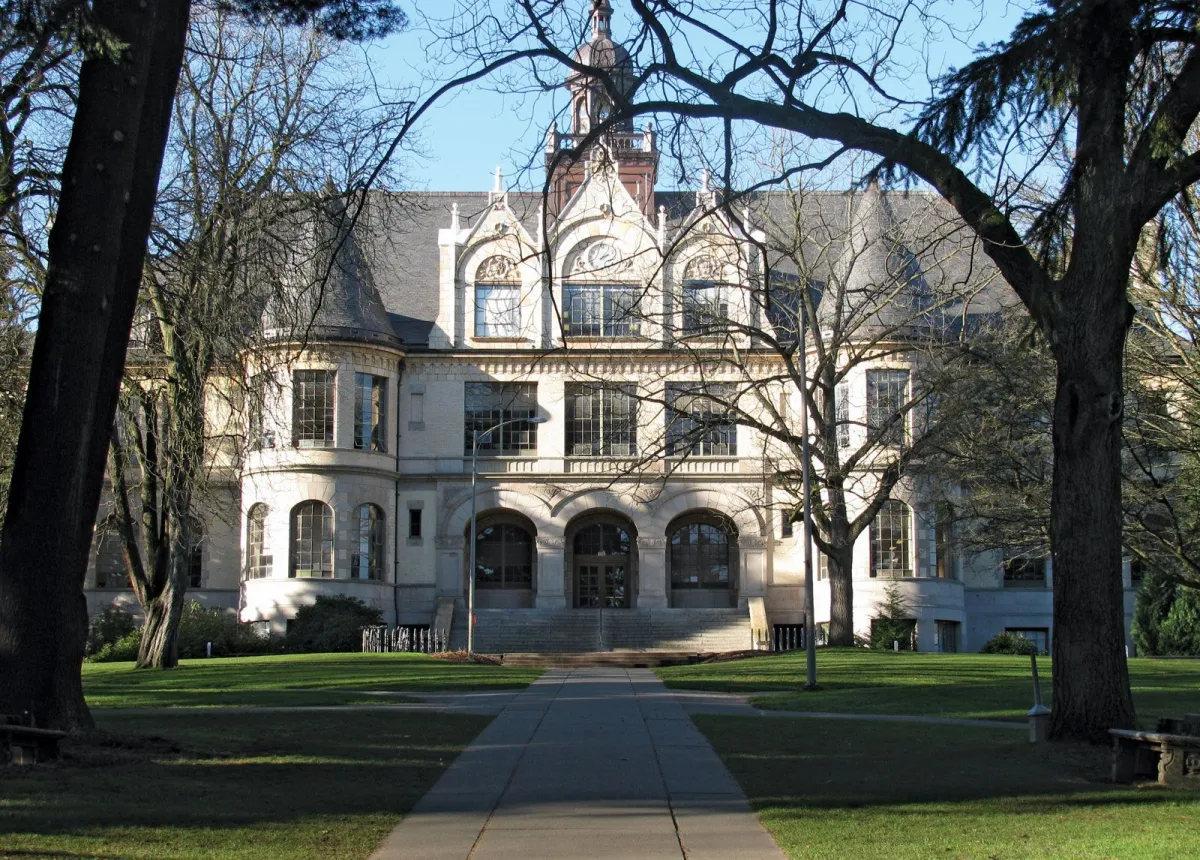 Photo: University of Washington, via cdn.britannica.com
The Book That Built a Field
In 1953, Bonica published "The Management of Pain," a massive textbook that became the foundation for modern pain medicine. The book was revolutionary not just for its content, but for its approach — Bonica treated pain as a legitimate medical condition worthy of serious scientific study.
The medical community initially dismissed it. But patients didn't. Word spread about the doctor in Seattle who could help people whose pain had been declared untreatable. Bonica's clinic became a destination for desperate patients from across the country, and gradually, other hospitals began to take notice.
The Legacy of Getting Hit
By the 1970s, pain clinics were opening across America, following the model Bonica had developed. The International Association for the Study of Pain was founded in 1973, with Bonica as its first president. Medical schools began teaching pain management as a legitimate specialty.
Today, pain medicine is a multi-billion dollar field that touches virtually every area of healthcare. The interdisciplinary approach Bonica pioneered — teams of specialists working together — became standard practice. The idea that chronic pain deserves serious medical attention is now accepted wisdom.
Bonica never forgot where his insights came from. Those years in wrestling rings, getting beaten up for tuition money, taught him that pain was more than just a signal of injury — it could become a life-altering condition that required its own treatment. The medical schools that rejected him for his unconventional background couldn't have known they were turning away someone whose street-level understanding of pain would reshape their entire profession.
When Rejection Leads to Revolution
John Bonica died in 1994, having transformed from a poor kid who got punched for money into the father of modern pain medicine. His story proves that sometimes the experiences that seem like setbacks — the rejections, the unconventional paths, the knowledge gained in unexpected places — become the foundation for revolutionary thinking.
The wrestling rings that helped fund his education also taught him lessons about pain that no medical textbook contained. The rejections from prestigious medical schools forced him to find his own path, one that led to insights the establishment couldn't see.
Every time a patient receives comprehensive pain treatment today — every interdisciplinary pain clinic, every nerve block procedure, every recognition that chronic pain is a legitimate medical condition — they're benefiting from the vision of a wrestler who refused to let rejection end his medical dreams.
Sometimes the longest route to your destination is the one that teaches you something nobody else knows.