Erased and Reborn: Seven Americans Who Returned from the Dead to Reshape History
The Strange Liberation of Being Forgotten
What happens when the world erases you? When your name disappears from records, when your family holds a funeral, when everyone you've ever known moves on without you? For most people, it would be the end of everything. For these seven Americans, it became the beginning of their most important work.
Being declared dead—whether through war, disaster, or deliberate disappearance—did something unexpected to each of these individuals. It stripped away everything they thought they were supposed to be and left them free to discover who they actually were. Their stories reveal a strange truth: sometimes you have to lose your old life completely before you can build your real one.
John Wesley Powell: The Canyon That Swallowed a Man
In 1869, John Wesley Powell and his expedition disappeared into the Grand Canyon. For months, newspapers across the country ran obituaries for the one-armed Civil War veteran and his team. The Colorado River had claimed them, everyone assumed. No one could survive those rapids.
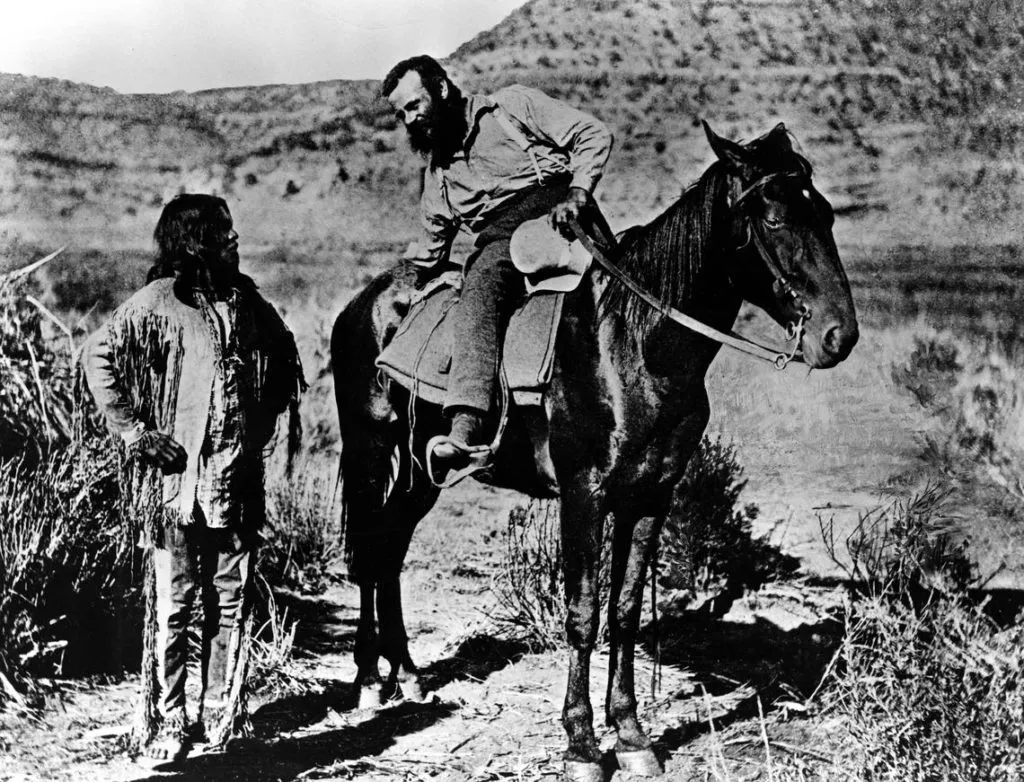 Photo: John Wesley Powell, via freerangeamerican.azurewebsites.net
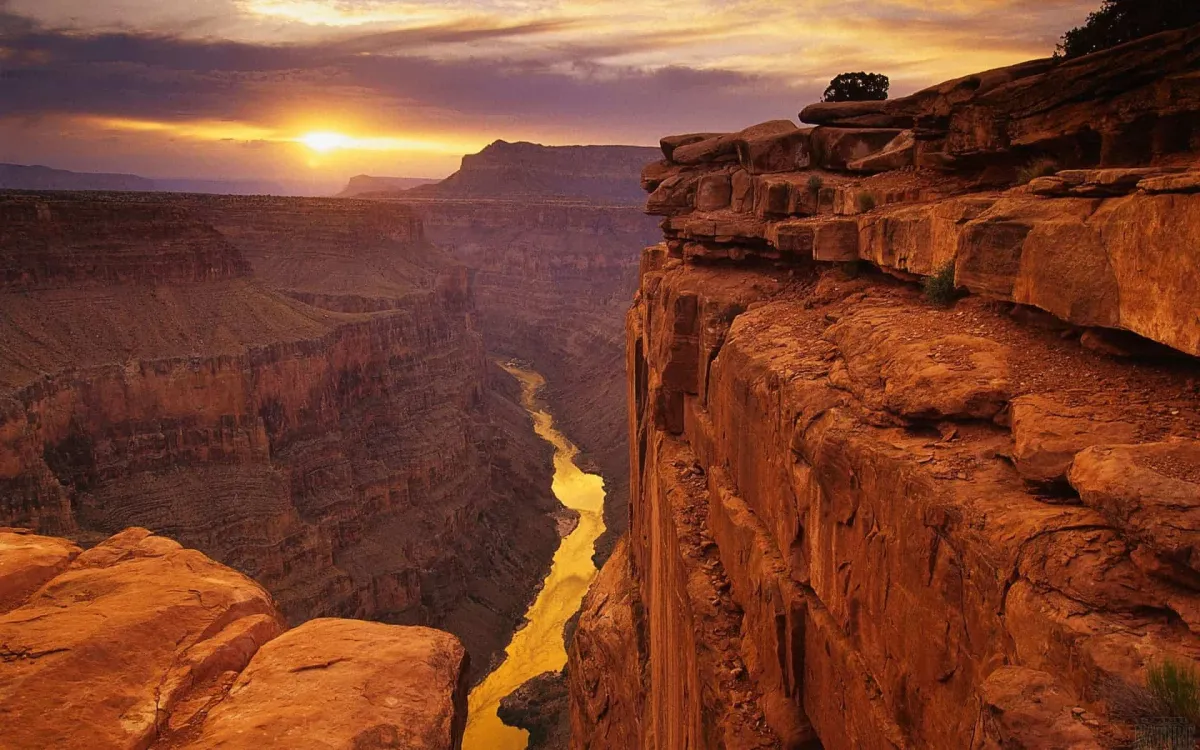 Photo: Grand Canyon, via cdn.zmescience.com
Powwell was very much alive, mapping the most dangerous waterway in America. When he emerged from the canyon four months later, he wasn't the same man who had entered it. The experience of being written off had freed him from the expectations of academic geology. Instead of publishing dry scientific papers, he became an advocate for Western water conservation that was fifty years ahead of its time.
The man who "died" in the Grand Canyon returned as America's most important voice on sustainable development in the American West.
Sarah Edmonds: The Soldier Who Never Existed
Sarah Edmonds enlisted in the Union Army as Frank Thompson in 1861. For two years, she served as a male soldier, spy, and nurse. Then, in 1863, she contracted malaria and faced a terrible choice: seek medical treatment and reveal her identity, or desert and let Frank Thompson disappear forever.
She chose to vanish. Frank Thompson was listed as a deserter and presumed dead. Sarah Edmonds returned to her life as a woman, but the experience of living as someone else had changed her completely. She became a nurse, then a writer, and finally an advocate for women's military service.
Decades later, she petitioned Congress to clear Frank Thompson's military record. When they investigated, they discovered that one of their most decorated soldiers had never actually existed—and that the woman who created him had used that experience to spend her life fighting for other women's right to serve.
Hugh Glass: The Bear Attack That Made a Legend
In 1823, mountain man Hugh Glass was mauled by a grizzly bear in South Dakota. His companions, convinced he was dying, took his rifle and knife and left him for dead. They even dug his grave.
Glass crawled 200 miles to the nearest settlement over six weeks, eating berries and carrion to survive. But the man who emerged from the wilderness wasn't the same person who had been left for dead. The experience had stripped away his anger and his need for revenge. Instead of hunting down the men who abandoned him, he forgave them.
Glass spent the rest of his life as a guide and peacemaker between white settlers and Native American tribes. The man who should have died became a bridge between two worlds, using his survival story not for personal glory but to prevent others from facing the same kind of abandonment he had experienced.
Virginia Hall: The Spy Who Became a Ghost
Virginia Hall was working as a spy for the British in occupied France when the Gestapo put a bounty on her head in 1942. "The Limping Lady," as they called her, had become too effective at organizing resistance networks. With Nazi agents closing in, she had to disappear completely.
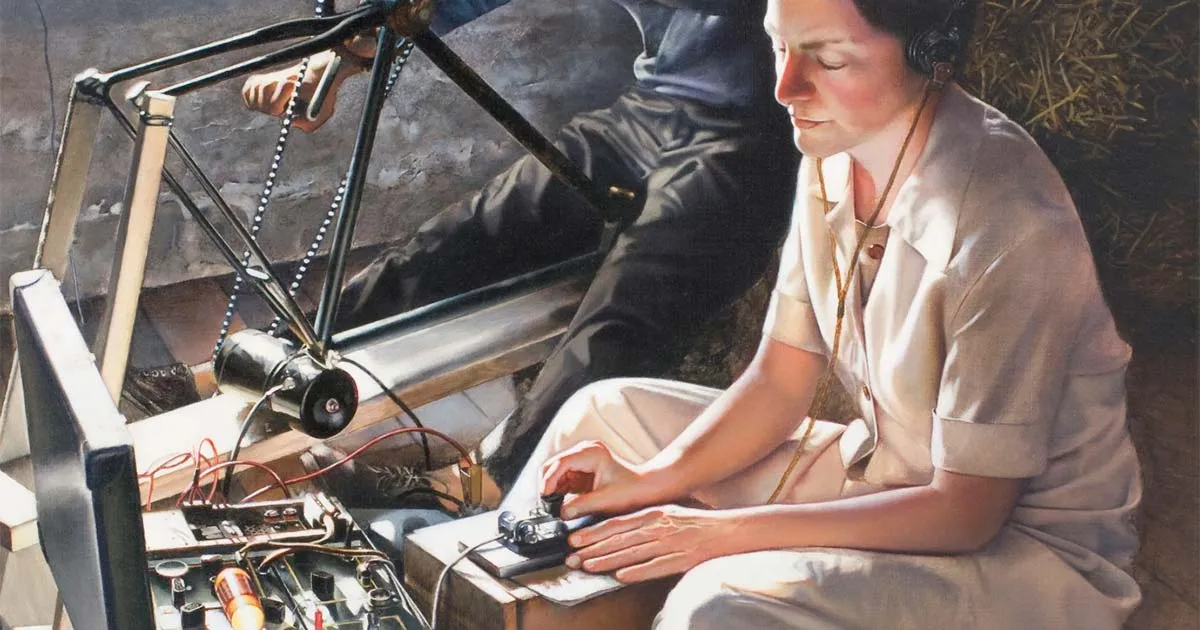 Photo: Virginia Hall, via www.historicmysteries.com
Officially, Virginia Hall ceased to exist. She underwent plastic surgery, learned new accents, and created entirely new identities. But instead of fleeing to safety, she returned to France as a different person, working for the American OSS.
The experience of being erased taught her that identity was fluid, that she could be anyone the mission required. She became one of the most effective spies of World War II precisely because she had learned to let go of who she used to be.
James Beckwourth: The Mountain Man Who Lived Three Lives
James Beckwourth, born into slavery, escaped to the Rocky Mountains in the 1820s. When he didn't return from a trapping expedition in 1828, he was presumed dead. His former companions moved on. His name disappeared from trading post records.
Beckwourth had actually been adopted by the Crow Nation, where he lived for six years as a warrior and chief. When he returned to white society in 1834, he was a different man entirely. The experience of living between worlds had given him a unique perspective on the American frontier.
He became a scout, guide, and eventually the discoverer of a mountain pass through the Sierra Nevada that thousands of California-bound emigrants would use. The man who "died" in the wilderness returned as a bridge between cultures, using his unique experience to help others find their way west.
Mary Jemison: The Captive Who Chose Her Captors
Fifteen-year-old Mary Jemison was captured by Seneca warriors in Pennsylvania in 1758. Her family was killed, and she was presumed dead. For all practical purposes, the white girl named Mary Jemison ceased to exist.
But instead of trying to escape, Jemison chose to stay with the Seneca. She married, had children, and became a respected member of the tribe. When she had opportunities to return to white society, she declined.
Decades later, when she finally told her story, it challenged everything Americans believed about captivity and civilization. The girl who "died" in 1758 returned as a woman who had lived fully in two worlds and chose the one that valued her contributions over her origins.
Ishi: The Last of His People
In 1911, a starving man emerged from the California wilderness and was found outside a slaughterhouse in Oroville. He was the last member of the Yahi tribe, and as far as the world knew, his people had been extinct for decades.
Ishi, as anthropologists named him, had been living alone for years after the rest of his tribe died. He had watched his entire world disappear. When he finally emerged, he wasn't trying to return to a life that no longer existed—he was choosing to create a new one.
Working with University of California anthropologists, Ishi spent his remaining years documenting his culture and teaching others about the Yahi way of life. The man who represented the end of his people became the reason their knowledge survived.
The Freedom of Having Nothing Left to Lose
These seven Americans discovered something profound about human potential: when you lose everything you thought defined you, you become free to discover what actually matters. Being erased from the world gave them permission to rebuild themselves from scratch.
Their stories aren't just about survival—they're about transformation. Each of them used their experience of being written off to create something entirely new. They became bridges between worlds, advocates for the forgotten, and pioneers of new ways of living.
In a culture obsessed with building and maintaining identity, their stories remind us that sometimes the most important work begins after everything else has been stripped away. Sometimes you have to die to the person you were before you can become the person you're meant to be.