Death's Garden: The Cemetery Groundskeeper Who Fed Detroit Through Its Darkest Years
The Unlikely Farmer
James Morrison never intended to change how America thinks about city farming. In 1973, he was just a 34-year-old groundskeeper at Woodlawn Cemetery on Detroit's east side, spending his days maintaining the final resting places of the city's residents while the living city slowly died around him.
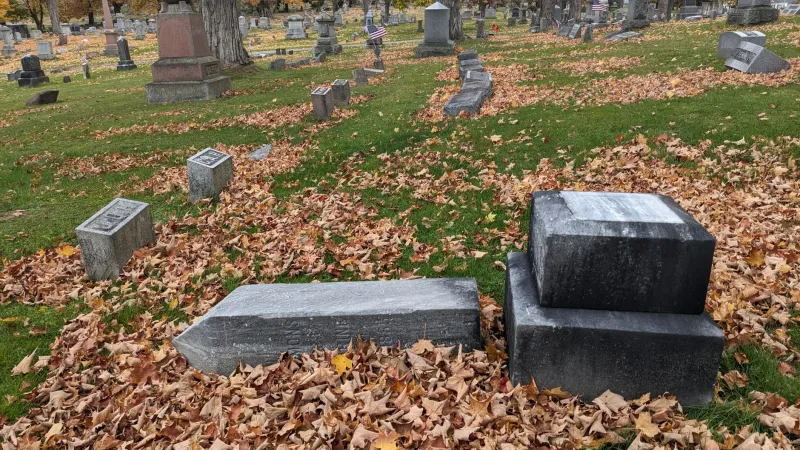
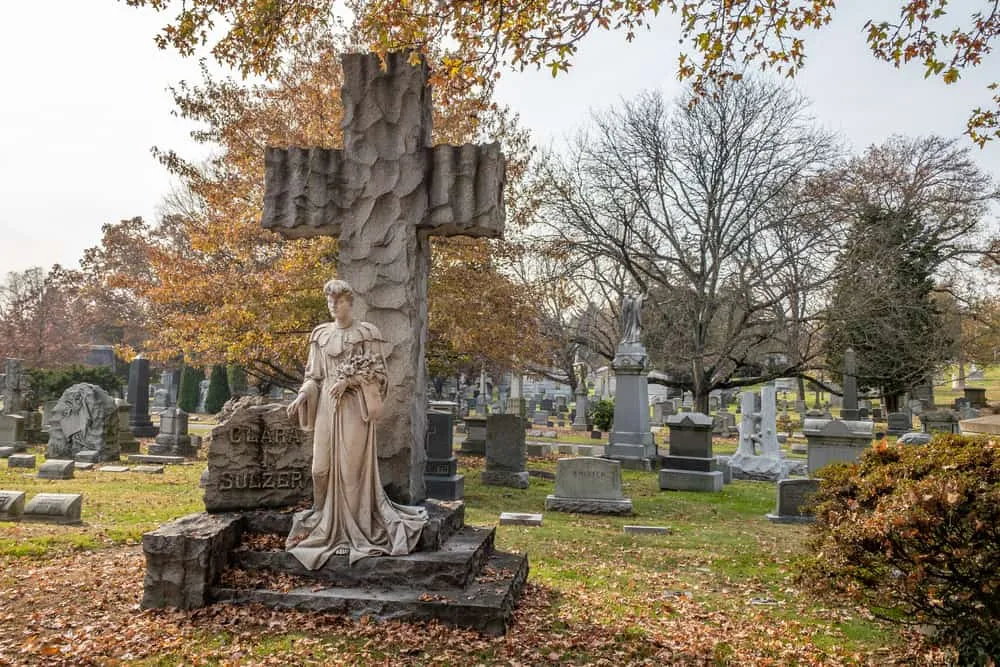 Photo: Woodlawn Cemetery, via uncoveringnewyork.com
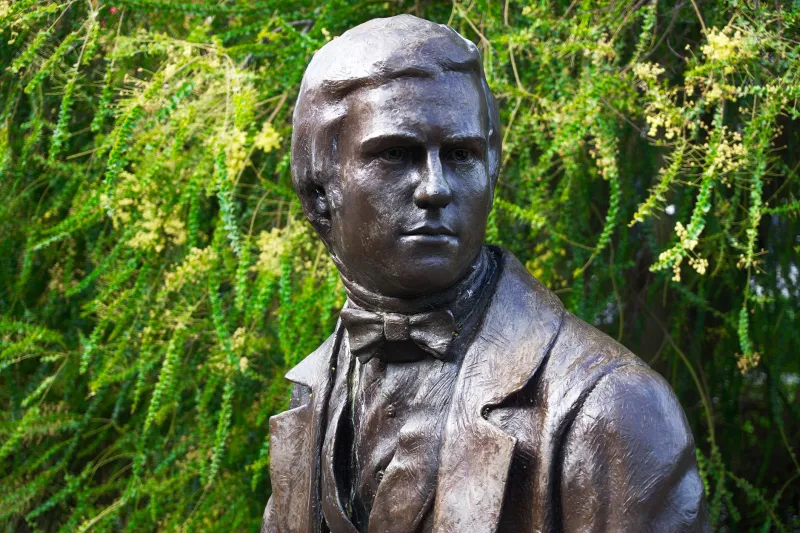
 Photo: James Morrison, via www.aceshowbiz.com
Detroit was hemorrhaging population, jobs, and hope. Entire neighborhoods sat empty, their residents fled to the suburbs or other states entirely. But Morrison, a quiet man who'd grown up on his grandmother's farm in rural Alabama before moving north for auto work, saw something different in those vacant lots: potential.
During his lunch breaks, Morrison began experimenting. The cemetery's older sections had rich, well-composted soil from decades of fallen leaves and careful maintenance. He started small, planting tomatoes and beans in forgotten corners where no one would notice. The results were remarkable—vegetables that grew larger and more abundant than anything he'd seen in regular garden plots.
Lessons from the Dead
What Morrison discovered in those quiet cemetery rows would eventually revolutionize urban farming, though he didn't know it at the time. The soil in older cemeteries, he realized, had been naturally enriched for generations. Decomposing organic matter, combined with the lime from old mortar and stone, created an almost perfect growing medium.
More importantly, cemeteries taught him about patience and long-term thinking. "When you work among people who've been gone for fifty, sixty years, you learn to think beyond next season," Morrison later told a local reporter. He began developing techniques for soil restoration that took years to fully mature, methods that prioritized sustainability over quick yields.
By 1975, Morrison's experimental plots had grown beyond the cemetery grounds. He'd quietly taken over three abandoned lots in the surrounding neighborhood, using the same soil preparation techniques he'd perfected among the tombstones. Word spread slowly through the community—here was a man who could make vegetables grow in dirt that hadn't seen crops in decades.
The Garden That Saved a Neighborhood
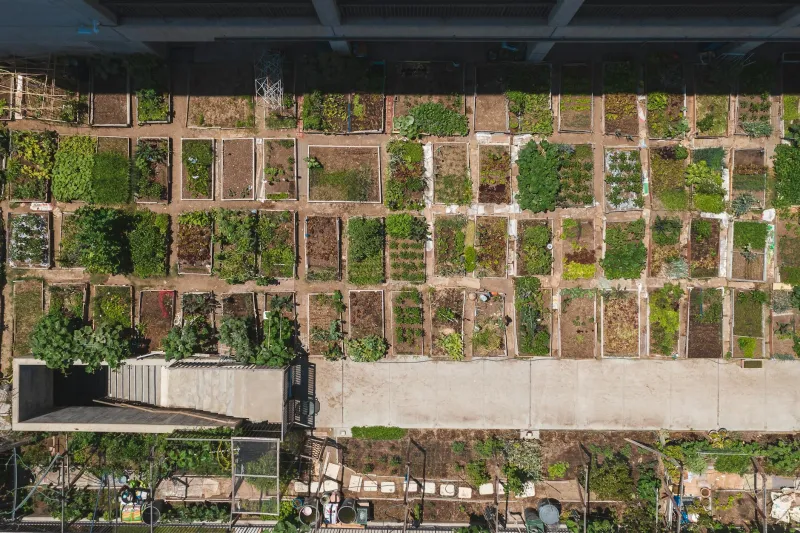
The transformation happened gradually, then all at once. Neighbors began asking Morrison for advice. He shared his techniques freely: how to build soil using kitchen scraps and leaves, how to create natural pest deterrents, how to plan plantings for maximum year-round yield. By 1978, what had started as one man's lunch-break hobby had become a network of community gardens feeding over 200 families.
The timing couldn't have been more crucial. Detroit's economic collapse was accelerating, unemployment was soaring, and food access in many neighborhoods was becoming a real crisis. Morrison's gardens provided not just sustenance, but dignity—fresh vegetables in communities where the nearest grocery store might be miles away.
"People thought I was crazy, growing food next to dead folks," Morrison remembered years later. "But death teaches you about life. Everything that dies feeds something else. That's just nature's way."
The Quiet Revolution
Morrison never sought publicity or credit for his work. He continued his day job at the cemetery while spending evenings and weekends teaching neighbors his techniques. He developed simple systems that anyone could follow: composting methods that worked in small spaces, companion planting strategies that maximized limited soil, water conservation techniques that worked with Detroit's aging infrastructure.
What made Morrison's approach different from traditional gardening was its focus on community resilience rather than individual plots. He taught people to think in terms of neighborhoods, not just backyards. Gardens were planned to complement each other—one family might specialize in root vegetables while another focused on leafy greens, with surplus shared throughout the community.
By the early 1980s, urban farming advocates from across the country were quietly making pilgrimages to Detroit's east side to learn Morrison's methods. His techniques were being adapted in cities from Philadelphia to Los Angeles, though few knew the quiet cemetery worker who'd developed them.
Seeds of Change
Morrison worked at Woodlawn Cemetery until his retirement in 1995, continuing to tend his community gardens well into his seventies. When he passed away in 2003, over 400 people attended his funeral—most of them families whose lives had been touched by the vegetables he'd grown and the knowledge he'd shared.
Today, Detroit is nationally recognized as a leader in urban agriculture, with over 1,400 community gardens and farms throughout the city. Many use techniques that trace directly back to Morrison's innovations: soil building methods, community organizing principles, and the patient, long-term thinking he learned working among the dead.
The irony isn't lost on urban farming historians. The man who helped Detroit bloom again spent his career tending to its buried past. But perhaps that's exactly what the city needed—someone who understood that death and life are part of the same cycle, that patient cultivation can transform even the most neglected ground into something that nourishes the living.
James Morrison never wrote a book or founded an organization. He just grew vegetables where others saw only emptiness, and taught his neighbors to do the same. Sometimes the most profound revolutions begin not with manifestos or movements, but with one person quietly planting seeds in unlikely soil.