From a Grave Digger's Shovel to a Banker's Desk: The Improbable Rise of Alonzo Herndon
From a Grave Digger's Shovel to a Banker's Desk: The Improbable Rise of Alonzo Herndon
There is a particular kind of education that only comes from being invisible. From standing close enough to watch powerful men make decisions, sign papers, and pass money across tables — while being completely overlooked yourself. Alonzo Herndon received that education in abundance. And he used every lesson.
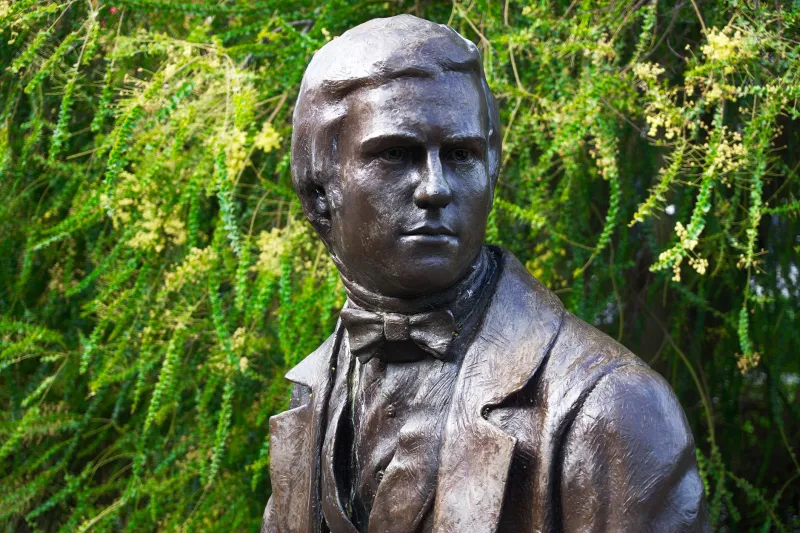
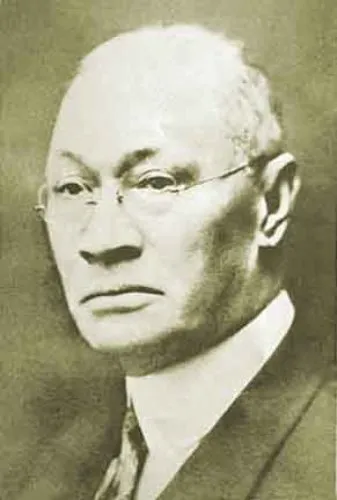 Photo: Alonzo Herndon, via factfile.org
Herndon was born in 1858 in Social Circle, Georgia, to an enslaved mother and a white plantation owner who never acknowledged him. When emancipation came, it didn't deliver freedom so much as it delivered uncertainty. He and his mother were turned out with nothing — no land, no wages owed, no path forward that anyone could see. He was seven years old.
The Jobs Nobody Wanted
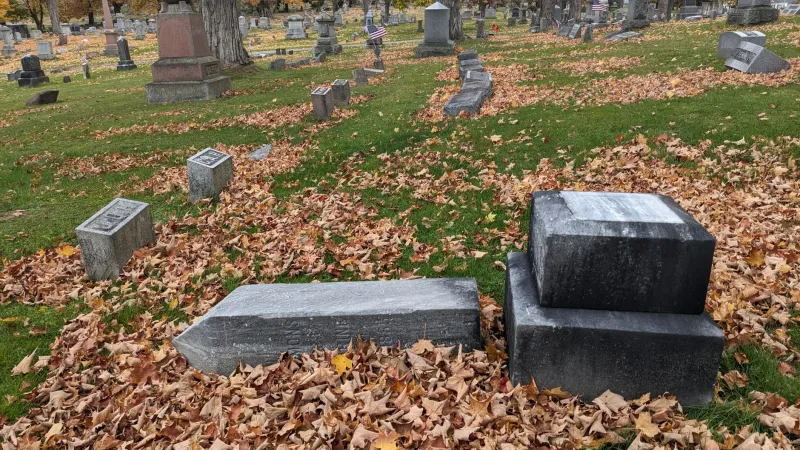
For the next decade and a half, Herndon did what survival required. He sharecropped. He hauled. He dug graves for the dead of Walton County, Georgia — work that paid almost nothing and demanded everything. Grave digging in the post-Reconstruction South was the kind of labor that white landowners assigned to the men they considered least valuable and most expendable. It was backbreaking, lonely, and invisible in the truest sense: the men who did it were rarely remembered by the families who hired them.
But Herndon was watching. At funerals — even modest ones — money changed hands. Decisions were made about what a life had been worth. He noticed which families could afford a proper burial and which ones couldn't. He noticed the quiet devastation of a community that had no financial safety net, no institution that held their savings, no mechanism for protecting the small things they'd managed to accumulate. He filed all of it away.
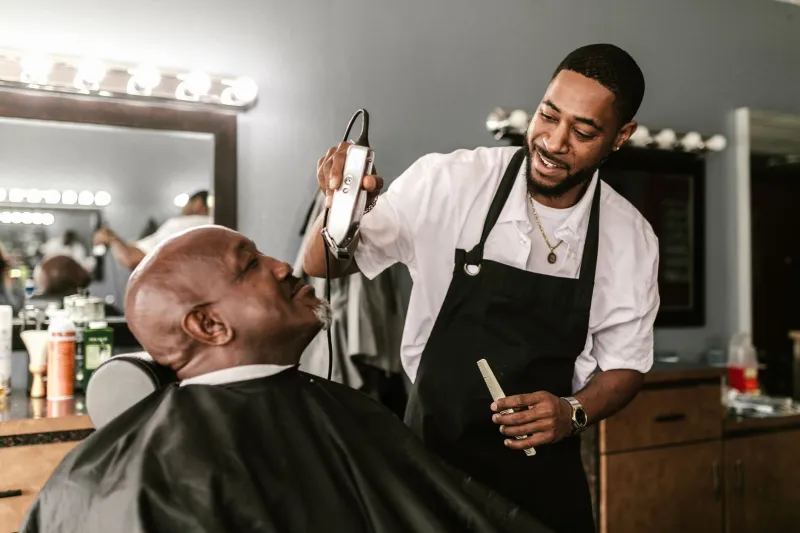
By the time he was in his mid-twenties, Herndon had drifted toward barbering — a trade that, in the late nineteenth century, offered one of the few paths to genuine economic mobility for Black men in the South. He started with a single chair in Covington, Georgia. He was talented, disciplined, and relentlessly focused on the quality of his work. Within a few years, he had moved to Atlanta.
The Barbershop as a Classroom
What Herndon built on Peachtree Street was, on the surface, a barbershop. Beneath the surface, it was something closer to a graduate school in American capitalism.
His clientele was Atlanta's white elite — politicians, businessmen, financiers, the men who shaped the city's economic architecture. They talked freely in his chairs. They discussed deals, debts, opportunities, and risks. They argued about interest rates and insurance premiums and the mechanics of turning small amounts of money into large ones over time. Herndon listened. He asked careful questions when it was appropriate, and he stayed quiet when it wasn't. He was, once again, the invisible man in the room — and once again, he was taking notes.
By 1904, Herndon had accumulated enough capital and enough knowledge to make his defining move. He purchased a struggling fraternal benefit society called the Atlanta Mutual Insurance Association for just $140. The organization was essentially insolvent. Its records were a mess. Its membership was small. Nobody considered it a serious acquisition.
Herndon considered it a foundation.
Building the Vault
What followed was a masterclass in patient institution-building. Herndon understood something that most of his contemporaries didn't: the Black community in the South was being systematically excluded from mainstream financial services, which meant there was an enormous, underserved market hiding in plain sight. White-owned insurance companies either refused to cover Black policyholders or charged them rates so punishing they were effectively inaccessible. Herndon moved directly into that gap.
He restructured the organization from the ground up, renamed it the Atlanta Life Insurance Company, and set about building trust one policyholder at a time. His salesmen went door to door through Atlanta's Black neighborhoods, collecting nickels and dimes in weekly premiums. The amounts were small. The principle was enormous: for the first time, working families had a financial institution that would actually show up when something went wrong.
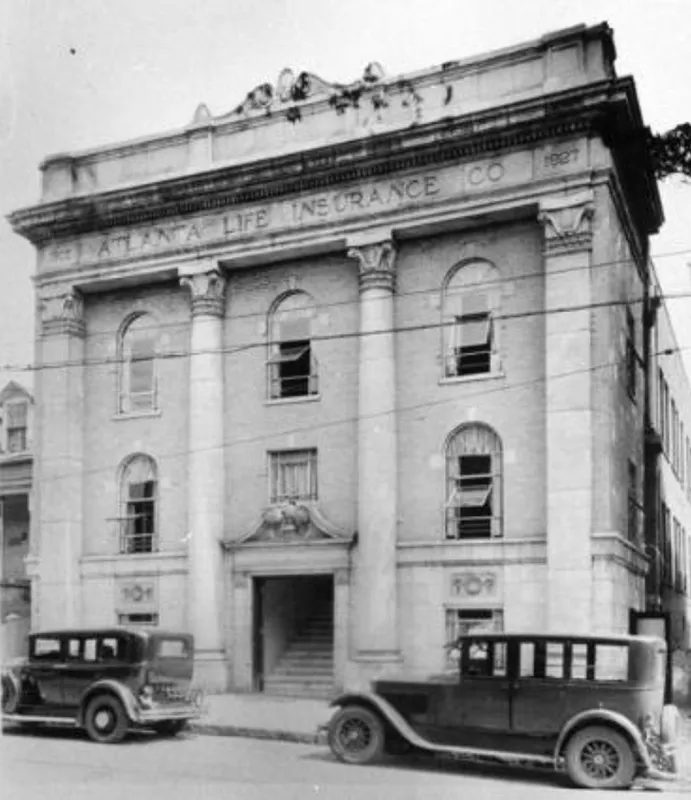 Photo: Atlanta Life Insurance Company, via www.sweetauburnworks.com
The company grew steadily through the early twentieth century, weathering the Atlanta Race Riot of 1906 — which destroyed Black-owned businesses across the city — and the financial chaos of the First World War. Herndon's instincts, sharpened over decades of watching money move through rooms he wasn't supposed to inhabit, proved sound again and again.
What the Graves Taught Him
It's worth pausing on what Herndon actually learned in those early years of digging graves and hauling bodies. He learned that death was the great economic equalizer — that it arrived without warning and left families scrambling. He learned that the communities with no financial infrastructure were the ones that suffered most catastrophically when it did. And he learned that dignity, the kind that gets stripped away by poverty and exclusion, could be partially restored by institutions that treated people as worth protecting.
Atlanta Life Insurance Company wasn't just a business. It was a statement. It told Black families in Georgia, and eventually across the South, that their lives were insurable. That their futures were worth investing in. That someone had done the math and decided they mattered.
By the time Herndon died in 1927, his estate was valued at more than $500,000 — an almost unimaginable sum for a man born into slavery. The company he built survived the Depression, survived the civil rights era, and survived into the twenty-first century. It remains one of the oldest Black-owned insurance companies in the United States.
The Lesson from the Margins
The story of Alonzo Herndon tends to get told as a triumph-over-adversity narrative, and it is that. But it's also something more specific and more instructive. It's a story about what you learn when the system forces you to watch from the outside. Herndon didn't succeed despite being invisible. He succeeded, in part, because invisibility gave him an education that no one else was receiving.
He saw the gaps. He mapped the exclusions. He understood, with the clarity of someone who had spent a lifetime being underestimated, exactly where the door had been left unlocked.
Then he walked through it and built something that lasted.