The Night Shift Guardian: How a Hospital Orderly's Perfect Memory Helped the FBI Find America's Most Wanted

The Man Who Never Forgot a Face
Marcus Thompson arrived at Cook County Hospital in 1952 with a mop bucket and a secret. The thirty-two-year-old had left Mississippi after losing his teaching job, carrying nothing but a cardboard suitcase and a mind that worked differently than most. While other orderlies chatted during their rounds, Marcus studied faces with the intensity of a portrait artist.
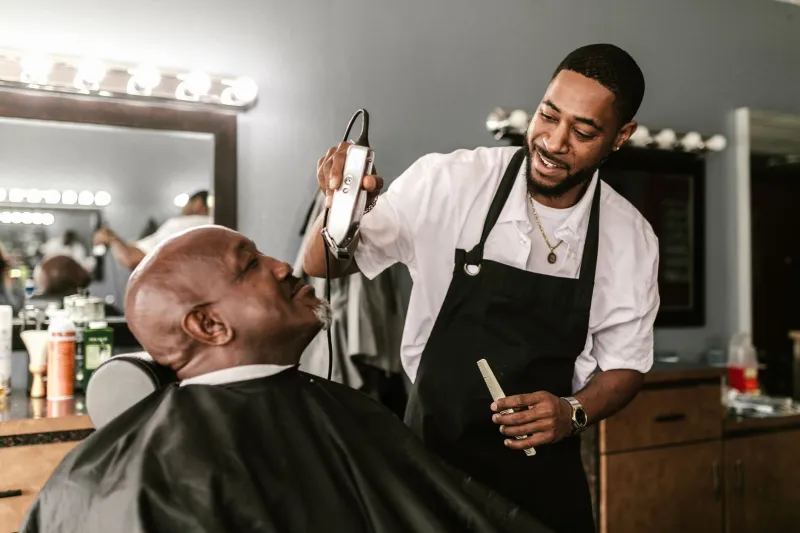
 Photo: Marcus Thompson, via www.sp-works.com
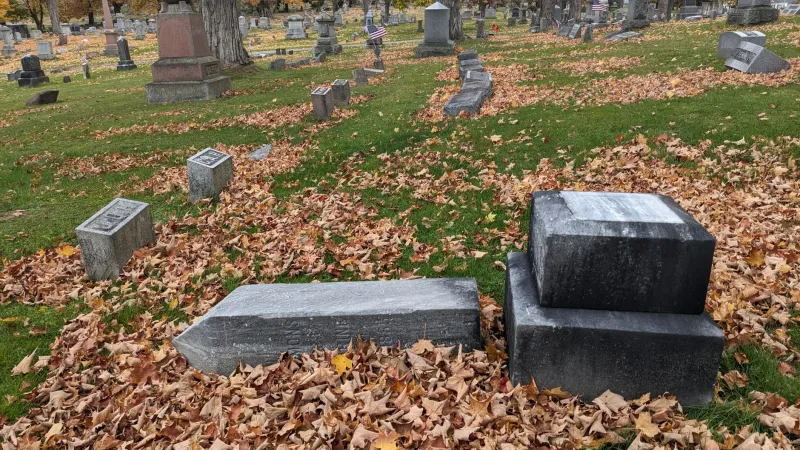
 Photo: Cook County Hospital, via i.pinimg.com
He didn't know it yet, but this quiet habit would make him one of the FBI's most valuable—and invisible—assets.
The Discovery That Changed Everything
It started with a routine night in 1963. Detective Ray Kowalski was reviewing case files in the hospital cafeteria when Marcus approached his table. The orderly had noticed something about a patient from the emergency room—a man who'd come in with a suspicious gunshot wound.
"That fellow in bed seven," Marcus said quietly. "Saw his picture on your desk last month. Different hair, no mustache, but same eyes. Same scar by his left ear."
Kowalski pulled out a stack of wanted posters. Marcus pointed to one immediately: Vincent "Vinny" Torrino, wanted for armed robbery across three states. The patient had given a false name, but Marcus's memory was flawless.
The arrest made headlines. The orderly who made it possible remained anonymous.
Building an Unlikely Network
Word spread quietly through law enforcement circles. A hospital worker with perfect facial recall could identify suspects that even trained detectives missed. But Marcus's value went beyond memory—his position gave him access no federal agent could replicate.
Cook County Hospital served everyone: gang members, fugitives seeking medical care under false names, criminals who thought they were invisible in the chaos of a big-city emergency room. They trusted the quiet Black orderly who cleaned their rooms and asked no questions.
Marcus never wore a wire or carried a badge. He simply remembered faces and passed along information to a small circle of contacts. Detective Kowalski became his primary liaison, meeting Marcus in the hospital parking garage after midnight shifts.
The Method Behind the Memory
Marcus had developed his own system for cataloging faces. He focused on unchangeable features: the distance between eyes, bone structure, ear shape, scars. Hair could be dyed, facial hair could be shaved, but Marcus looked deeper.
"Most people see a face for thirty seconds and forget it in thirty minutes," he once explained to Kowalski. "I see it once and keep it forever. Don't know why, just always been that way."
His technique proved remarkably effective. Over fifteen years, Marcus's identifications led to the capture of forty-seven fugitives. Bank robbers, murderers, con artists—all undone by a man they never suspected was watching.
The Price of Invisibility
Marcus's contributions came with personal costs. He couldn't tell his wife about his work with law enforcement. Hospital administrators never knew their night-shift orderly was helping solve federal cases. He received no recognition, no financial compensation beyond his regular wages.
The stress took its toll. Marcus developed ulcers from keeping secrets, and the constant vigilance exhausted him. He saw faces everywhere—on buses, in grocery stores, walking past the hospital. His gift had become a burden.
When the System Failed Him
In 1978, Marcus identified a particularly dangerous fugitive: Tommy "The Torch" Brennan, wanted for arson and murder. But this time, something went wrong. Brennan somehow learned about Marcus's role and threatened his family.
The FBI offered witness protection, but Marcus refused to leave Chicago. Instead, he quietly transferred to the hospital's day shift, ending his career as an unofficial federal asset. The partnership that had lasted fifteen years ended with a handshake in a parking garage.
The Recognition That Came Too Late
Marcus Thompson died in 1994, taking his secrets with him. His obituary described him as a dedicated hospital employee and loving family man. There was no mention of the dozens of criminals he'd helped capture.
It wasn't until 2018 that retired Detective Kowalski revealed the full story in his memoir. FBI records, finally declassified, confirmed Marcus's extraordinary contributions to federal law enforcement. The man who'd spent his career invisible had finally been seen.
Lessons from the Night Shift
Marcus Thompson's story challenges assumptions about who becomes a hero. He wasn't trained in law enforcement, didn't carry a gun, and never made an arrest. His power came from being overlooked—a Black orderly in 1960s America who cleaned up after everyone else.
But Marcus understood something profound: sometimes the most valuable position is the one nobody notices. While detectives chased leads on the street, he watched faces in hospital beds. While agents worked cases from offices, he pushed a mop cart through the corridors where criminals sought refuge.
His photographic memory was a gift, but his real skill was knowing how to use it. In a world that dismissed him as invisible, Marcus Thompson made himself indispensable—one face at a time.