Seeds Among the Stones: The Cemetery Keeper Who Planted America's First Garden Empire
The Garden of Grief
Samuel Hartwell spent his days among the dead, but he was thinking about life. Every morning in the 1850s, he walked the winding paths of Greenwood Cemetery in rural Pennsylvania, shovel in hand, preparing final resting places for the departed. What others saw as somber work, Hartwell viewed differently. He noticed things.
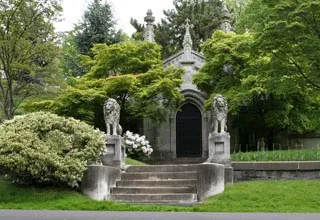 Photo: Greenwood Cemetery, via wirednewyork.com
 Photo: Samuel Hartwell, via media-af-photos.ancientfaces.com
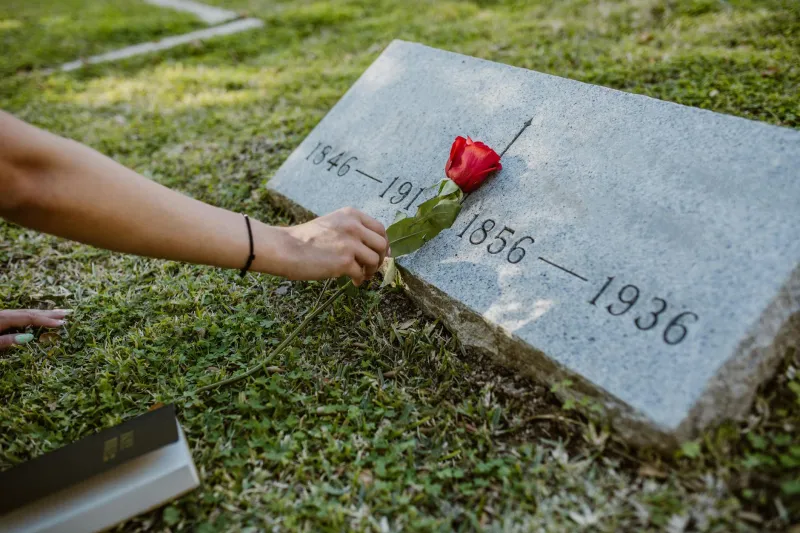
The flowers mourners left behind told stories. Rare orchids from grieving widows. Exotic bulbs from traveling merchants paying respects to old friends. Native wildflowers gathered by children who couldn't afford store-bought bouquets. As these tributes wilted and scattered their seeds across the cemetery grounds, Hartwell began collecting them.
"Most folks just swept them away," he wrote in a letter to his sister in 1854. "But I figured anything beautiful enough to mark someone's passing was worth saving."
From Sorrow to Seedlings
What began as casual collecting soon revealed itself as something more systematic. Hartwell kept detailed records in a worn leather journal, noting which plants thrived in different soil conditions, which bloomed longest, and which attracted the most admiring comments from visitors. His small cottage behind the cemetery became an unofficial nursery, with hundreds of clay pots lining every windowsill.
The breakthrough came during the harsh winter of 1856. A traveling preacher, impressed by the unusual variety of flowers at a funeral service, asked Hartwell where such specimens could be purchased. When Hartwell explained they'd grown from cemetery seeds, the preacher offered to buy packets for his congregation back in Ohio.
"That's when it hit me," Hartwell later recalled. "People weren't just buying seeds. They were buying hope."
The Catalog That Changed Everything
By 1858, Hartwell had compiled his observations into a hand-written catalog featuring 47 varieties of flowers and vegetables, each with detailed growing instructions based on his cemetery experiments. Unlike existing seed merchants who focused on common crops, Hartwell's catalog emphasized beauty, resilience, and the stories behind each variety.
His descriptions read more like poetry than commerce: "Morning Glory, gathered from the headstone of young Margaret Sullivan, who loved to watch the sunrise. These seeds carry her joy in each purple bloom, opening faithfully with each new dawn."
The catalog spread through word-of-mouth networks faster than Hartwell could have imagined. Church groups, women's societies, and farming communities passed copies hand to hand. Orders arrived by mail from as far away as California, where gold rush settlers craved reminders of Eastern gardens.
Growing Beyond the Graveyard
By 1862, Hartwell had left his gravedigging duties to focus entirely on his seed business. He established partnerships with botanical collectors across the country, but never abandoned his original cemetery sources. Some of his most popular varieties still came from the Greenwood grounds, where he'd negotiated an unusual arrangement with the cemetery board: he could collect seeds in exchange for maintaining the most elaborate flower displays in the county.
His business model was revolutionary for its time. Rather than selling bulk seeds to farmers, Hartwell marketed small packets to individual households, complete with planting calendars, soil preparation guides, and seasonal care instructions. He understood that his customers weren't just growing plants—they were cultivating dreams of beauty in an often harsh world.
The Legacy Takes Root
When Hartwell died in 1889, his seed company employed 23 people and shipped orders to all 38 states. His innovations—detailed growing instructions, seasonal planting guides, and emphasis on ornamental varieties—became standard practices that major seed companies still use today.
More importantly, Hartwell had democratized gardening in America. Before his catalog, exotic flowers and unusual vegetables were luxuries available only to the wealthy. His cemetery-tested varieties proved that extraordinary beauty could grow in ordinary soil, tended by ordinary hands.
The irony wasn't lost on those who knew his story. A man who spent his early career preparing ground for endings had built an empire dedicated to new beginnings. Every spring, as millions of American gardeners planted seeds from catalogs that traced their lineage back to his innovations, Samuel Hartwell's true monument bloomed in backyards across the nation.
In a business built on hope and growth, there was perhaps no more fitting origin story than one that began among the headstones, where a gravedigger learned to see life in the shadows of death.