The Wine Criminal Who Built California's Reputation
The Grape Whisperer of Sonoma County
In 1923, Giuseppe Martinelli was supposed to be out of business. The Volstead Act had made his livelihood illegal overnight, and federal agents were prowling California's wine country like bloodhounds. But Martinelli, a stubborn Italian immigrant with calloused hands and an intuitive understanding of grape chemistry, had no intention of surrendering.
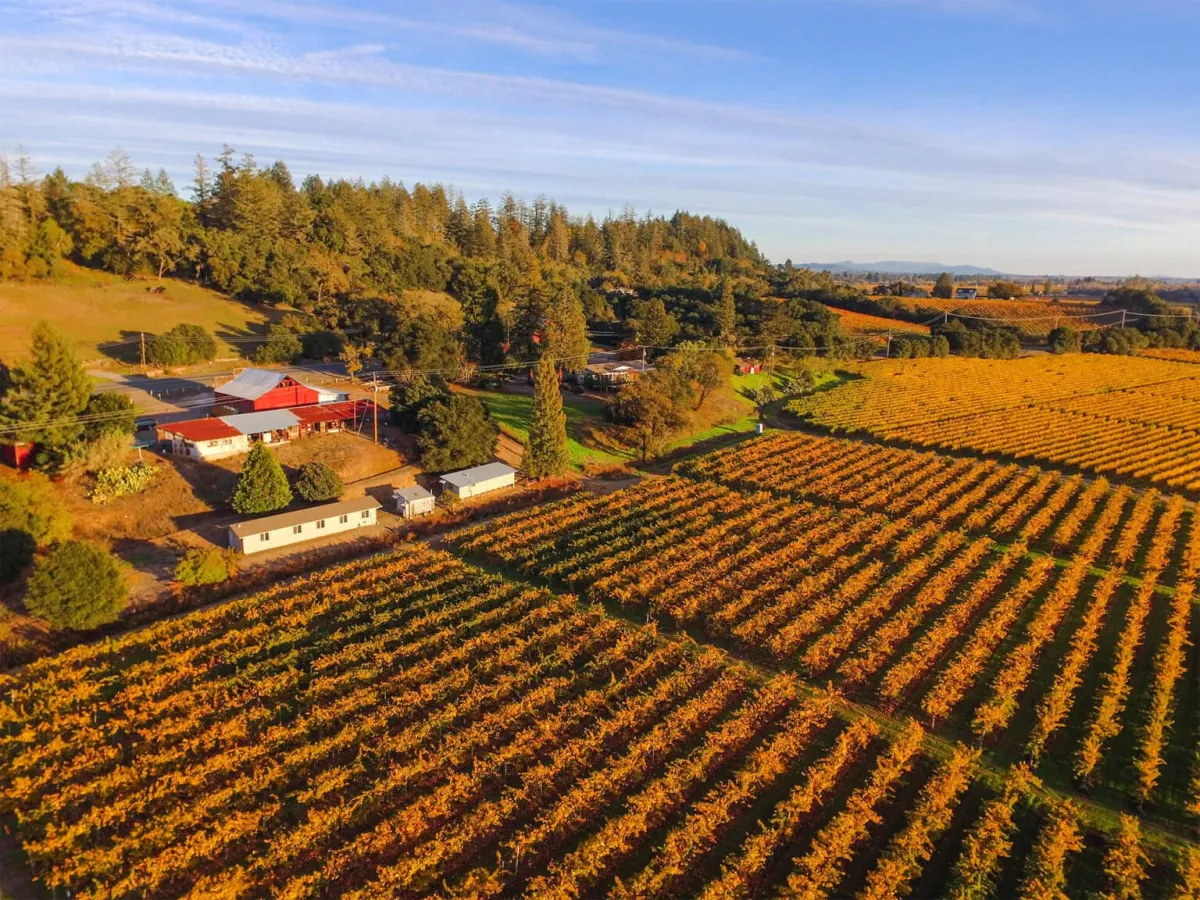 Photo: Sonoma County, via www.sonomacounty.com
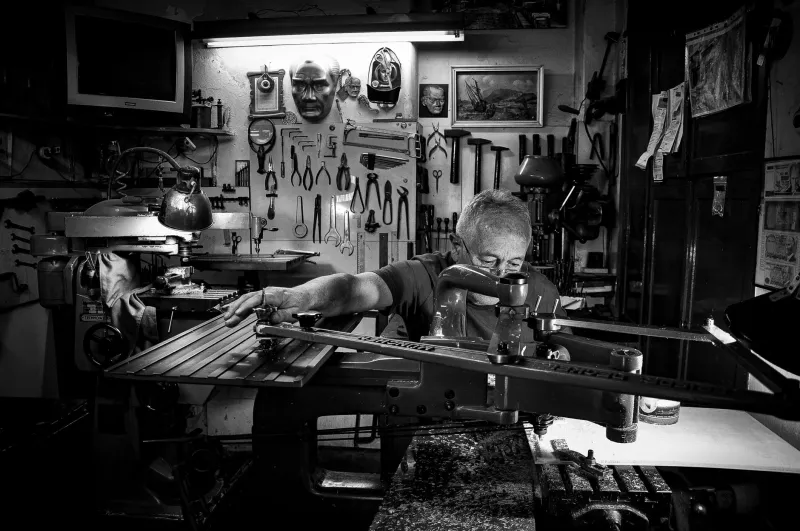
 Photo: Giuseppe Martinelli, via i.pinimg.com
What happened next would accidentally create the foundation for America's most celebrated wine regions.
Underground Innovation
Working under cover of darkness in the hills outside Sonoma, Martinelli began experimenting with fermentation techniques that legitimate wineries had never dared attempt. Without access to proper equipment or scientific journals, he relied on trial and error, tasting batches by moonlight and adjusting his methods based on nothing more than instinct and desperation.
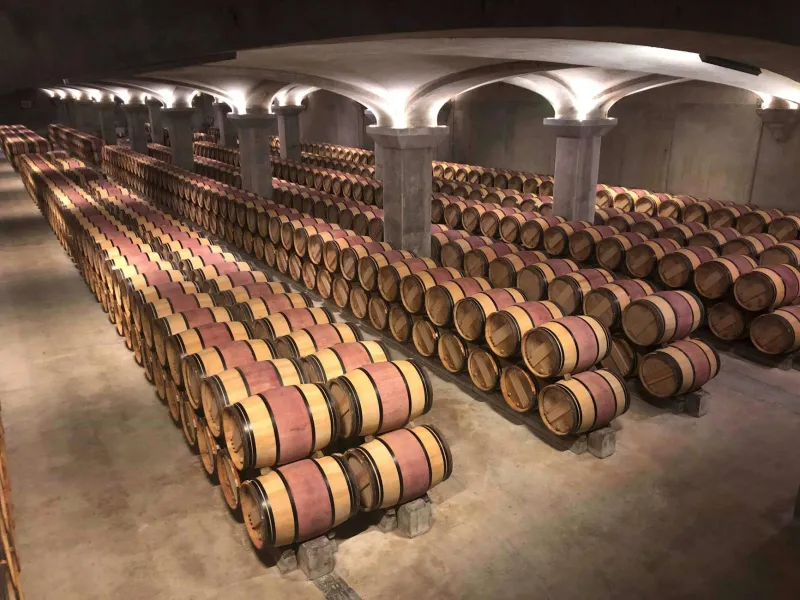
His illegal operation forced him to become resourceful in ways that legal winemakers never had to be. When he couldn't buy proper aging barrels, he learned to char oak himself, discovering that different char levels produced dramatically different flavor profiles. When transportation became risky, he developed concentration techniques that allowed him to ship smaller volumes of more potent wine base, which buyers could dilute safely at home.
The Accidental Science
What Martinelli didn't realize was that his survival tactics were actually advanced winemaking techniques. His homemade pH testing methods, developed to ensure his product wouldn't spoil during dangerous transport delays, were more precise than those used by most legitimate operations before Prohibition. His temperature control systems, jury-rigged to prevent detection, created ideal fermentation conditions that commercial wineries would later spend millions trying to replicate.
Most importantly, his obsession with grape selection—driven by the need to maximize flavor in minimum space—led him to identify which varietals thrived in specific microclimates throughout Sonoma County. He kept detailed notes in broken English, mapping soil conditions, sun exposure, and harvest timing with the precision of a scientist and the passion of an outlaw.
The Network Effect
By 1930, Martinelli wasn't just running a bootleg operation—he was running a underground university. Other Italian families throughout California's wine regions began adopting his techniques, sharing innovations through a network of relatives and paisans who trusted each other more than they trusted the law.
This clandestine knowledge transfer created a generation of winemakers who understood grape cultivation and fermentation at a molecular level, simply because they'd had to learn it to survive. When Prohibition ended in 1933, California suddenly had hundreds of small operators who possessed technical expertise that had taken European winemakers centuries to develop.
Legitimate Legacy
After repeal, Martinelli briefly attempted to go legitimate, but his reputation as a bootlegger made it impossible to secure proper financing or distribution deals. He sold his detailed notes and techniques to a consortium of businessmen who would eventually found several of Napa Valley's most prestigious wineries.
 Photo: Napa Valley, via daily.sevenfifty.com
Those handwritten journals, filled with observations about tannin extraction, malolactic fermentation, and terroir mapping, became the technical foundation for California's post-Prohibition wine industry. The charring techniques he'd developed to hide his operation became standard practice for premium barrel aging. His grape selection criteria became the basis for American Viticultural Area classifications that are still used today.
The Irony of Innovation
Marinelli died in 1947, largely forgotten and certainly never credited for his contributions to American winemaking. But his influence lived on in every bottle of California wine produced after 1933. The techniques he'd developed while hiding from federal agents became the legitimate practices that put California wine on the global map.
Today, Sonoma County produces wines that compete with the finest French vintages, using methods that can be traced directly back to a bootlegger's desperate attempts to stay ahead of the law. The underground railroad of Italian winemakers who shared Martinelli's techniques during Prohibition created a knowledge base that legitimate American winemaking had never possessed.
The Accidental Revolution
In trying to break the law, Giuseppe Martinelli ended up writing the rules for everyone who came after. His story reminds us that innovation often comes from the margins, from people who have no choice but to find better ways of doing things. Sometimes the greatest contributions come from those who never intended to contribute at all—they were just trying to survive.
The next time you raise a glass of California wine, remember that you might be tasting the legacy of America's most unlikely agricultural revolutionary: a bootlegger who never meant to change anything except his own circumstances.